

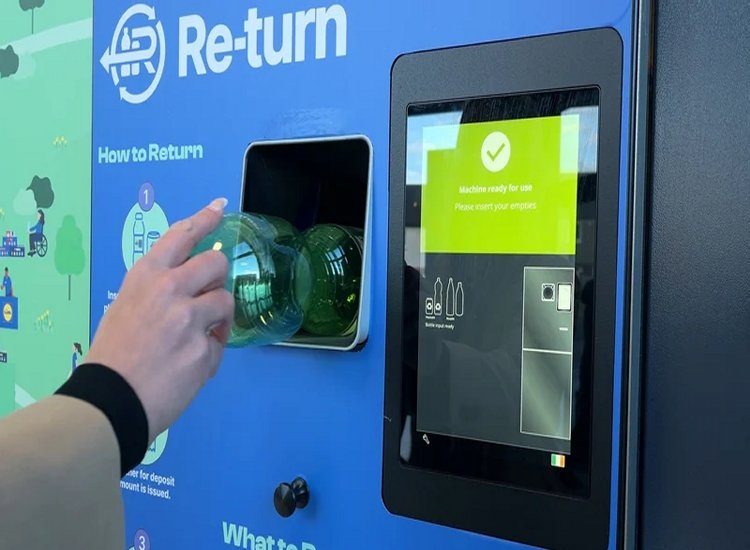
Dublin City Council has proposed restricting access to the Deposit Return Scheme to individuals with registered domestic waste collection contracts in an effort to curb what it describes as opportunistic bin scavenging.
The proposal would prevent anyone without a household bin collection service from reclaiming deposits on plastic bottles and aluminium cans, which the council said had become a “monetary commodity” since the scheme’s introduction, reports Breaking News.
The suggestion was contained in a briefing note prepared for Dublin City Council chief executive Richard Shakespeare ahead of a meeting last February with Ciaran Foley, chief executive of Re-turn, the company licensed to operate the scheme.
The document noted that public bins were being interfered with and damaged “on a daily basis,” with scavengers removing rubbish and scattering it across footpaths in search of returnable containers, reports Breaking News.
The wider consequences of this included damage to the city’s image and reputation, and a potential negative impact on tourism and the visitor experience in the capital, according to the briefing note.
It questioned claims by Re-turn about the scheme’s success in increasing recycling and reducing litter, suggesting there had only been a “modest decrease” in drinks-packaging litter between 2023 and 2024, reports Breaking News.

The local authority’s household waste data had also shown only a modest increase in the volume of material being recycled, and there had been “no significant difference” in total street sweepings collected across the city.
“One possible policy approach to reducing [bin scavenging] would be to restrict access to deposit rebates to households with registered waste collection contracts,” the briefing note stated, reports Breaking News.
“While this may reduce opportunistic scavenging, it would also limit access to the scheme for some members of the public,” it acknowledged, adding that further consideration of the unintended consequences of the scheme was required at national level.
The briefing documents, obtained under the Freedom of Information Act, also included photographs of bin surrounds installed around the city to reduce scavenging, which the documents said were frequently used for general litter disposal including coffee cups and cigarette waste and were “therefore not fulfilling their intended function,” reports Breaking News.
A spokesperson for Re-turn said the recycling levels and street sweepings data cited by Dublin City Council were “not accurate measures” of the performance of the scheme.
“The relevant indicators are return rates, recycling rates for in-scope containers, and drinks container litter levels,” she said, adding that these figures were corroborated by independent research from Irish Business Against Litter and Coastwatch, with Coastwatch recording the lowest average levels of bottle and can litter on Irish shores in 25 years and IBAL reporting a 50% reduction in bottle and can litter since the scheme launched, reports Breaking News.
Dublin City Council recently stated it had spent €857,000 on bin repairs and additional clean-ups as a result of scavenging and expected to spend a further €351,000 on additional cleaning this year, reports Breaking News.
Tell us your thoughts in the Facebook post and share this with your friends.

