

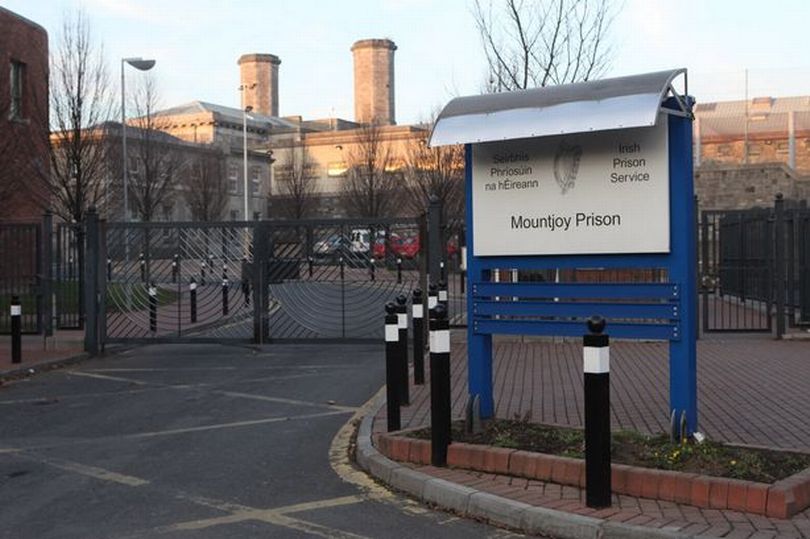
Poverty, inequality and disadvantage heighten the likelihood of individuals entering the criminal justice system, according to a report by the Irish Penal Reform Trust, reports RTE.
The organisation has urged the Government to shift funding towards diversion programmes and non-custodial measures instead of investing further in expanding prisons, reports RTE.
The report highlights that routes into criminalisation include childhood deprivation, trauma, unstable housing, unmet mental health needs, substance use, and the criminalisation of behaviours linked to survival in poverty.
To reflect lived experiences, the research involved 37 interviews, five focus groups and two public engagement events, reports RTE.
Most participants were from backgrounds characterised by financial hardship, economic instability or deprivation within their communities.
Rising living costs and housing insecurity were described as “daily stressors” that weakened “coping capacity” and intensified deprivation, reports RTE.
Participants described ongoing concerns about bills, heating and food, outlining how this led to anxiety, irritability and conflict within households.
Housing instability, including overcrowding and increasing family homelessness, was identified as the main driver of stress, insecurity and pressure, reports RTE.
“Without a stable home, families cannot provide a safe environment for children, and individuals cannot meaningfully engage with treatment or training”, reports RTE.
The report found that criminalisation has been “shaped” by how poverty overlaps with gender, race, ethnicity and location.
It noted that many women were pushed into “survival crime” to cope financially, while men were often driven into “the violent role that society appears to have assigned to them”, reports RTE.

For young men, involvement in drug selling provided “money, status and belonging”, while “legitimate work” was often seen as stigmatising and offering limited income.
Workers in the sector observed “a recurring pattern” where society recognises the harm of grooming children into crime, but shows little compassion once those children become adults, reports RTE.
Participants challenged portrayals that demonise people involved in the drug trade, stressing that it can act as an alternative labour market when conventional opportunities are unavailable.
Throughout the interviews, “survival” was portrayed as a sequence of pressures, with women striving to maintain households amid scarcity while facing risks such as debt, homelessness, violence and losing custody of their children, reports RTE.
One participant involved in sex work described poverty as “the core” factor, arguing that public discourse often wrongly attributes the issue to men’s demand rather than women’s financial hardship, many of whom she said were single mothers.
The IPRT has put forward several recommendations, including increased investment in individuals and communities.
Nearly 200,000 people are living in areas classified as very or extremely disadvantaged, according to Pobal’s latest Social Deprivation Index, reports RTE.
The organisation said that investing in youth work would create “prevention infrastructure” in areas experiencing concentrated disadvantage.
It also stated that the criminalisation of children could be avoided through coordinated action between Gardaí, Tusla, and education and health services, reports RTE.
Rather than allocating €100,000 annually to incarcerate someone, the report recommends focusing resources on understanding “the reasons why that person ended up in a prison cell in the first place”.
The IPRT has called for justice funding to be redirected towards providing stable housing, improved healthcare access, adequate income supports, alternative education pathways and expanded youth work opportunities, reports RTE.
Tell us your thoughts in the Facebook post and share this with your friends.

