

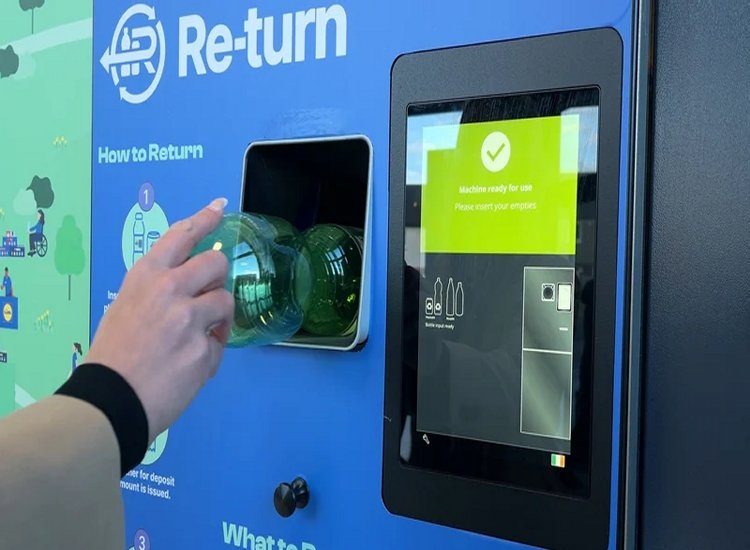
Medical experts have called for the introduction of infection-control measures in the Deposit Return Scheme, citing the risk of microbial growth and exposure to liquid residue on bottles and cans.
An emergency medicine consultant, a GP and a public health expert warned that residues from alcohol and sugary drinks can support microbial growth, as well as attracting flies and rodents, reports RTE.
Writing in the latest issue of the Irish Medical Journal, they said issues relating to hygiene and infection control must be considered alongside the environmental performance of the scheme.
The authors said exposure pathways for retail staff, logistics staff and maintenance personnel who interact with reverse vending machines had to be considered, and noted that no infection control protocol had been published, reports RTE.
They called for relevant agencies, including Re-turn and the HSE, to jointly develop and publish evidence-based guidance on hygiene, safety and environmental health considerations around the scheme.
“Integrating practical infection-prevention measures alongside environmental objectives will help ensure that Ireland’s DRS continues to operate successfully, safely, and with strong public confidence, minimising harm for all involved in the process,” they wrote, reports RTE.

The warning came from Dr Mick Molloy, a consultant in emergency medicine at Wexford General Hospital; Nandakumar Ravichandran, a public health expert at UCD’s School of Medicine; and Dr Walter Cullen, a GP and professor at the same university.
They noted that the scheme had delivered strong environmental results since its introduction in February 2024, with recycling rates for plastic bottles and aluminium and steel cans all having increased, reports RTE.
However, they said it was also important to consider the public health dimensions of the scheme, as residual liquids in returned containers can support microbial growth, particularly at ambient temperature.
Risks could be reduced by issuing simple public guidance encouraging consumers to empty and, where feasible, rinse containers before returning them. They also noted that the Irish Waste Management Association had previously flagged the risk of such residue attracting flies and rodents, especially near food storage areas, reports RTE.
A spokesperson for Re-turn said the company was not aware of any recorded cases of illness arising from the operation of the scheme, and that it issues regular guidance to retailers including seasonal advice during warmer periods.
“We take all matters relating to public health, safety and environmental performance seriously and remain open to engaging constructively with medical, public health and environmental experts,” the spokesperson added, reports RTE.
Re-turn has also decided against increasing the 2.2 cent handling fee paid to retailers for each container returned, following an independent review. The company recorded a pre-tax surplus of €51.3 million in 2024 and noted the fee was operated on a not-for-profit basis intended to cover operational costs.
However, a targeted support of €2,000 per site would be introduced for retailers handling between 250,000 and 500,000 containers per year. The decision was criticised by Aontú leader Peadar Tóibín, who said Re-turn was “sitting on a cash pile of millions in unclaimed deposits” while retailers were out of pocket, reports RTE.
Tell us your thoughts in the Facebook post and share this with your friends.

