

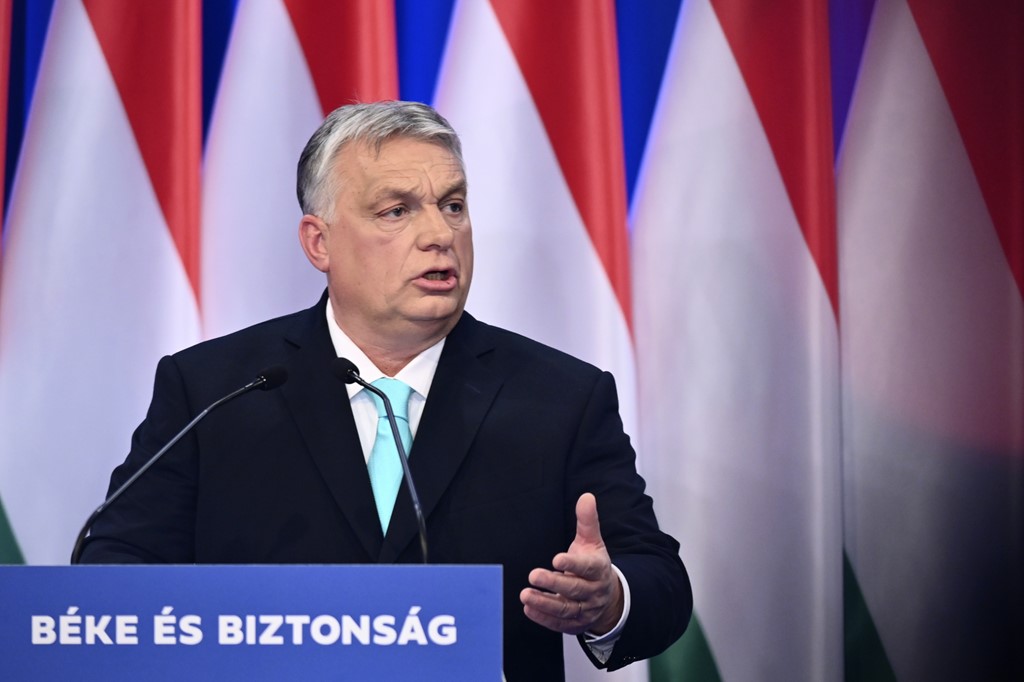
In a stunning political shift, Viktor Orbán failed to secure victory in Hungary’s parliamentary elections, ending his 16-yr hold on power. The ruling Fidesz party trailed significantly behind the opposition Tisza party, led by Péter Magyar, as partial results showed Tisza projected to claim around 135 seats in the 199-seat National Assembly. Record voter turnout exceeded 79 percent, reflecting widespread desire for change after years of nationalist policies under Orbán.

Magyar, a former Orbán ally who broke ranks, mobilized support with a pro-European Union platform that resonated amid economic concerns and growing fatigue with concentrated authority. His campaign emphasized transparency, judicial independence, and closer EU integration, contrasting sharply with Fidesz’s longstanding emphasis on sovereignty and resistance to Brussels directives.
Orbán’s defeat marks a pivotal moment for Hungary, potentially easing tensions within the European Union over issues like Ukraine aid and rule-of-law disputes. Analysts view the outcome as a rejection of prolonged one-party dominance, though challenges remain in forming a stable government and navigating institutional legacies. The results signal renewed democratic competition in a nation long defined by Orbán’s influence.
Tell us your thoughts in the Facebook post and share this with your friends.

