

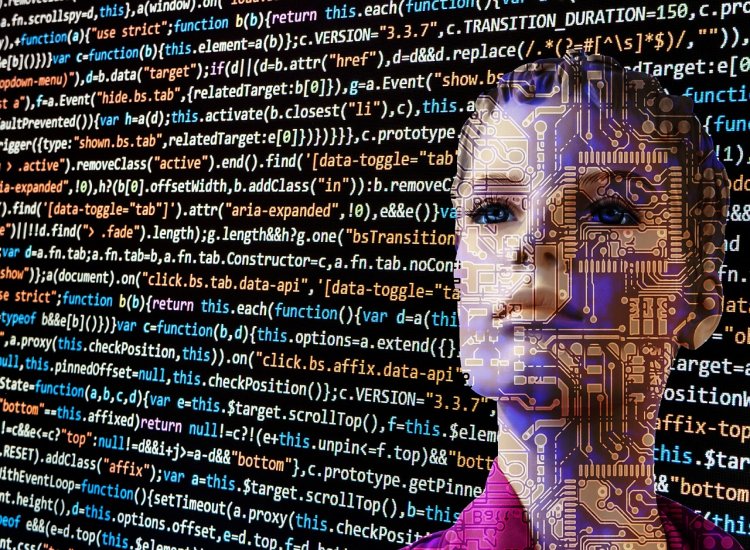
A decade ago, predicting stock market movements was often a mix of charts, news clippings, and gut instinct. These days, artificial intelligence has barged into the room, carrying more data than any single analyst could read in a lifetime. It’s not just Wall Street quants using it — smaller firms and even solo traders are tapping into AI stock trading tools to help them read the market’s mood.
What’s driving this shift? For one, the market has become a tangled web. A political protest in one country can ripple into currency markets and commodity prices within hours. Machine learning systems thrive in this environment because they can sift through mountains of historical prices, news articles, and economic reports in seconds — something even the most productive human can’t pull off.
Some of the more advanced systems aren’t just looking at stock charts. They pull in Twitter sentiment after an earnings call, scan SEC filings for unusual language, and cross-check it with global shipping data or even weather patterns. That’s a far cry from the old “moving average crossover” strategy.
From Headlines to Predictions: The Tools Behind AI Trading
Natural language processing (NLP) plays a big role here. It’s the tech that lets a machine “read” headlines and financial statements to gauge market mood. If, for instance, a major bank hints at tightening lending, NLP can catch the shift in tone before most people have even finished their morning coffee.

Then there’s deep learning — the branch of AI inspired by how neurons work in the brain. These models get better over time, learning the subtle relationships between data points that would look like noise to anyone else. They might notice that a spike in a certain commodity price has, in the past, preceded moves in a seemingly unrelated tech stock.
Of course, none of this is foolproof. The “black swan” events — pandemics, sudden political crises, or regulatory shocks — can still catch AI flat-footed. And while the tech is improving, it’s not immune to overfitting or chasing false patterns. That’s why the best traders still use AI as a partner, not a replacement.
What’s interesting is how personal these tools are becoming. Some platforms now tailor strategies to your exact risk tolerance and time horizon. If you’re a cautious investor with a five-year plan, the AI will steer you away from the high-volatility plays it might suggest to a short-term day trader.
Even big names like OpenAI are nudging into this space, developing models that can digest more complex, less structured data — things like blockchain transaction flows or environmental impact reports — and fold them into their predictions. Imagine pairing that with real-time market feeds; the result could be the most context-aware trading assistant yet.
Takeaway
The takeaway? AI is reshaping how we think about market forecasting, but it’s not magic. The smartest players blend machine precision with human judgment. In a market that’s moving faster and connecting more dots than ever, that combination might just be the edge you need.
