

The fact that COVID-19 has brought about a struggling economy in the UK is not up for debate. As has happened throughout most of the rest of the world, we’ve seen significant job losses, struggling businesses, and for many months a virtual halt to consumer activity. Back in August, numbers became available that made it clear that the UK had plunged into its worst recession on record, with the economy having shrunk by an astounding 20.4%.
That much is all accepted at this point, unfortunate though it may be. But now, more than half a year into the pandemic (sadly, it feels like much longer), the important questions about the economy aren’t so much about how badly it’s been wounded, but rather how well it’s recovering. And right now, though there are a few encouraging signs, the most realistic outlook is that the recovery may be in a spot of trouble.
First, the good news. For one thing, the UK economy has seen some GDP growth since the worst of the crisis. More specifically, GDP rose 2.1% between July and August. To be clear, this came in short of projections, but it still represented some growth at the tail end of a disastrous spring and summer for the economy (even if GDP actually rose more sharply in the earliest months of the recovery).

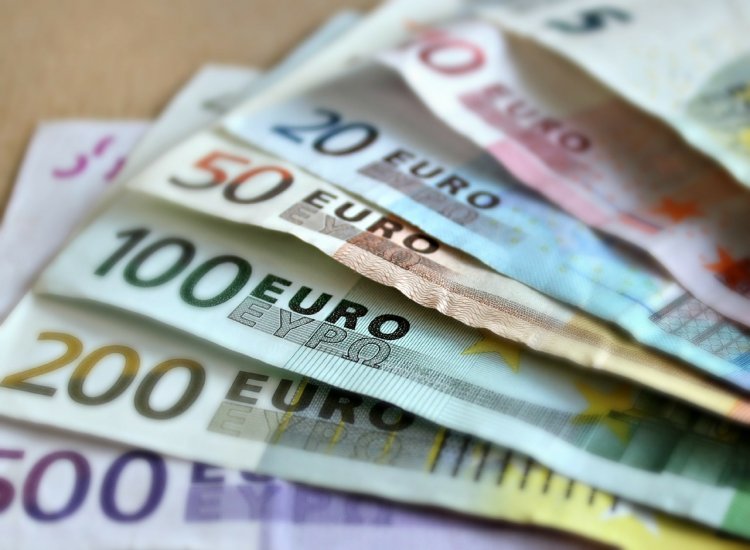
Another interesting note meanwhile, and a more purely positive one, is that the Euro has actually strengthened even as the economy in the UK and Ireland specifically has remained weak. Forex trading data from the past several months shows the Euro having climbed in value next to its closest counterparts in the GBP and USD. We could debate how much a rising Euro truly reflects on economic recovery — but at the same time, a sharp decline in value would have us concerned.
Aside these mildly positive signs though, there are more alarming signs of concern. First and foremost is the fact that as mentioned, modest GDP growth in recent months still fell well short of projections. The GDP growth for the period in which we saw a 2.1% rise was projected by experts to be about 4.6%. That not only means the economy has missed its expected growth rate, but also indicates that the recovery may be slowing down.
That notion — of a slowing recovery — is particularly problematic when one considers also that fresh shutdowns have come about, and a difficult winter is expected with regard to COVID. The hope is still that we avoid full shutdowns, but society is likely to slow down again, and that will have immediate and severe consequences for an economy that’s still on the ropes, so to speak.
This comes on top of the fact that consumer spending has already slowed in the transition to the autumn months. Specific data indicates that August and September spending declined by about 10%. It’s difficult to explain exactly why this is happening (naturally there are likely many reasons given the current situation), but it’s another bad sign for the broader UK economy moving forward.
Add up all of these factors and it does begin to look like the recovery is faltering. While there are a few somewhat positive signs, the bigger indicators and the more noteworthy trends are negative. At this point, people throughout the UK may need to look to 2021 for a more sustainable long-term recovery to truly begin.
