

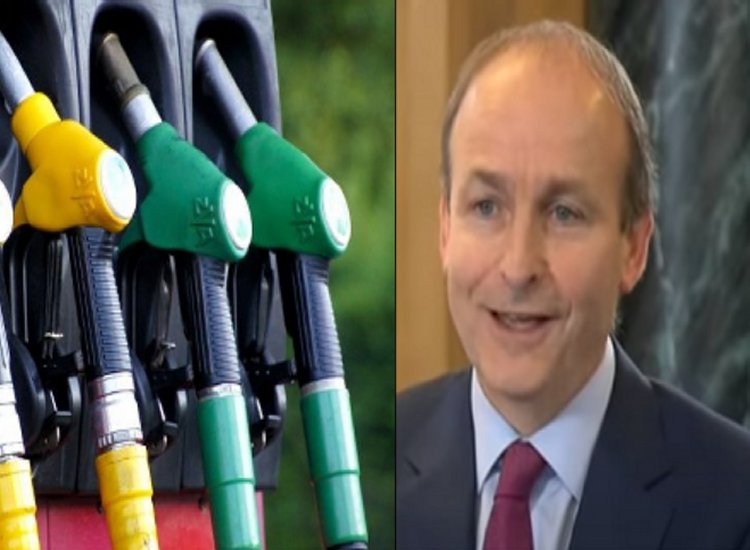
Oil prices jumped above $100 per barrel today, reaching levels last seen in mid-2022, after several major producers reduced supply and markets grew concerned about extended shipping disruptions linked to the widening US-Israeli conflict with Iran.
Brent crude futures climbed $12.77, or 14%, to $105.46 per barrel, while US West Texas Intermediate (WTI) crude futures rose $12.66, also 14%, to $103.56, reports RTE.
In a volatile trading session, Brent had earlier surged to a peak of $119.50 per barrel, marking its biggest absolute single-day price rise on record, while WTI reached $119.48.
Since their last close before the US and Israel launched attacks on February 28, Brent has increased by as much as 66% and WTI by 77%, reports RTE.
Current prices remain below the historic highs of about $147 per barrel recorded for these contracts in 2008, according to LSEG data that dates back to the 1980s.
The premium on front-month Brent contracts compared with contracts scheduled for delivery in six months soared to a record level of almost $36 today, according to LSEG data stretching back to 2004, reports RTE.
That figure was significantly higher than the previous peak of around $23 recorded in March 2022 during the early stages of the Russia-Ukraine war.
This premium reflects a market structure known as backwardation, signalling that traders anticipate acute supply shortages in the immediate term, reports RTE.
The Strait of Hormuz, a key route through which about one-fifth of global oil and liquefied natural gas shipments usually pass, is effectively closed.
Even if the conflict ends quickly, consumers and companies around the world could face weeks or months of higher fuel costs as producers contend with damaged infrastructure, disrupted supply chains and increased risks to shipping, reports RTE.
US gasoline futures climbed to their highest level since 2022 at roughly $3.22 per gallon, despite US President Donald Trump previously assuring consumers that the conflict would have limited effects on living costs ahead of the November mid-term elections.
“Alternatives are limited, such as tapping strategic oil reserves, but in comparison to the potential magnitude of the supply disruption if the Strait stays closed longer, they are a drop in the ocean,” said UBS analyst Giovanni Staunovo, reports RTE.
Finance ministers from the Eurogroup are scheduled to gather in Brussels to address the sharp rise in energy prices.
Over the past week, consumers in Ireland have experienced a rapid surge in home heating oil prices, while petrol and diesel costs have also increased significantly, prompting calls for government intervention, reports RTE.
The issue of escalating fuel prices was discussed by ministers during this morning’s Cabinet meeting.
The Government has maintained that it is closely monitoring developments but believes it is still too early to determine whether the conflict will become prolonged, reports RTE.
A Government source noted that supports introduced after Russia’s invasion of Ukraine were not implemented immediately and said any new measures would likely be coordinated with EU-level action.
The financial impact of the Iran conflict will be discussed by EU finance ministers in Brussels tomorrow and is also expected to feature at the next meeting of EU leaders after St Patrick’s Day, reports RTE.
Prices are rising at a pace not seen since Russia’s invasion of Ukraine four years ago.
Brent crude began last week trading at $77 per barrel and had climbed to more than $107 earlier this morning, reports RTE.
It marks the first time in four years that oil prices have surpassed the $100 mark.
The cost of filling a 500-litre home heating oil tank rose from under €500 to €833 over the past week, reports RTE.
During the weekend, many service stations raised prices, with unleaded petrol reaching €1.80 per litre and diesel costing €1.90 or close to €2 at some locations.
US Senate Democratic Leader Chuck Schumer has urged President Trump to release oil from strategic reserves, while a French government source said the Group of Seven nations would also discuss the issue, reports RTE.
Saudi Aramco has begun reducing production at two of its oilfields, according to sources. Analysts said last week that OPEC heavyweights such as the United Arab Emirates could soon be forced to cut output as storage capacity runs out.
Production at Iraq’s main southern oilfields has dropped by 70%, sources said, after crude storage reached maximum capacity, reports RTE.
Kuwait Petroleum Corporation also started reducing oil output on Saturday and declared force majeure on shipments, though it has not specified the scale of the production cuts.
Saudi Aramco, which can redirect some shipments through the Red Sea port of Yanbu, has offered more than 4 million barrels of crude in rare tenders to help offset the closure of Hormuz, reports RTE.

In gas markets, major LNG exporter Qatar had already halted production following attacks on key infrastructure.
A fire broke out in the UAE’s Fujairah oil industry zone after debris fell in the area, though authorities reported no injuries, reports RTE.
Refinery disruptions have further tightened fuel supplies, with Bahrain’s BAPCO declaring force majeure after an attack on its refinery complex. Saudi Arabia has already shut down its largest oil refinery.
Ahead of the Eurogroup meeting in Belgium, Tanáiste and Finance Minister Simon Harris said high energy costs have been a persistent challenge for European industry in recent years, reports RTE.
The European Union has been working to diversify its oil and natural gas sources since Russia invaded Ukraine, though several member states still depend on crude oil and LNG imports from the Gulf.
High energy costs across the EU had already been identified as a major factor undermining the bloc’s competitiveness, reports RTE.
The current Middle East conflict has therefore come at an especially difficult moment.
Energy markets remain highly sensitive because the crisis centres around the Strait of Hormuz, through which roughly one-fifth of global oil supply normally flows, reports RTE.
Disruptions to tanker traffic and heightened security risks have already slowed shipping operations, leaving Asian buyers particularly exposed because of their heavy dependence on Middle Eastern crude.
“Unless oil flows through the Strait of Hormuz resumes soon and regional tensions ease, upward pressure on prices is likely to persist,” said Vasu Menon, managing director for investment strategy at OCBC in Singapore, reports RTE.
Iraq and Kuwait have begun cutting oil production, adding to earlier LNG reductions from Qatar as the conflict has blocked shipments from the Middle East.
Analysts believe the United Arab Emirates and Saudi Arabia may soon also be forced to scale back output as their storage facilities reach capacity, reports RTE.
Another factor pushing prices higher is the appointment of Mojtaba Khamenei to succeed his father Ali Khamenei as Iran’s supreme leader, suggesting hardliners remain firmly in control in Tehran a week into the conflict with the US and Israel.
“With the appointment of the late leader’s son as Iran’s new leader, US President Donald Trump’s goal of regime change in Iran has become more difficult,” said Satoru Yoshida, a commodity analyst with Rakuten Securities, reports RTE.
“That view accelerated buying, as Iran is expected to continue its closure of the Strait of Hormuz and attacks on other oil-producing nations’ facilities, as seen last week,” he said, predicting WTI could rise to $120 and then $130 a barrel in a relatively short period, reports RTE.
Iraqi output from its major southern oilfields has fallen by 70% to about 1.3 million barrels per day as the country cannot export crude through the Strait of Hormuz because of the Iran conflict, according to three industry sources.
Crude storage has reached full capacity, an official at the state-run Basra Oil Company said, reports RTE.
Kuwait Petroleum Corporation began reducing oil output on Saturday and declared force majeure on shipments, though it did not specify the level of production cuts.
Iran’s attacks on oil infrastructure across the region have continued. Fujairah Media Office said a fire broke out in the UAE’s Fujairah oil industry zone after debris fell, though no injuries were reported. Saudi Arabia’s Defence Ministry said on X it intercepted a drone heading toward the Shaybah oilfield, reports RTE.
Israel’s military has warned it could target any successor to the late Ali Khamenei, while President Trump said the conflict may only end once Iran’s military and leadership had been eliminated.
Meanwhile, as oil prices surged, US Senate Democratic Leader Chuck Schumer called on Mr Trump to release oil from the Strategic Petroleum Reserve, reports RTE.
“President Trump should release oil from the SPR now to stabilise markets, bring prices down, and stop the price shock that American families are already feeling thanks to his reckless war,” Mr Schumer said in a statement, reports RTE.
The Irish Road Haulage Association said the surge in fuel prices “cannot be sustained” and warned it would organise a protest to “shut down Dublin” before St Patrick’s Day unless the Government intervenes.
IRHA President Ger Hyland called for the suspension of the Carbon Tax until the Middle East crisis comes to an end, reports RTE.
Mr Hyland told RTÉ’s Today with David McCullagh that for every euro spent on fuel such as diesel, 65 cent goes to the State in taxes.
As a result, he argued that the Government is the “real beneficiary” and is making “big profits” from the crisis, reports RTE.
Mr Hyland also said there is strong support among the public, including members of the farming community, to join a demonstration organised by hauliers.
“It’s time the Government gave something back to the transport industry” as the rising cost is “going to put our members out of business,” he said, reports RTE.
Tell us your thoughts in the Facebook post and share this with your friends.

