

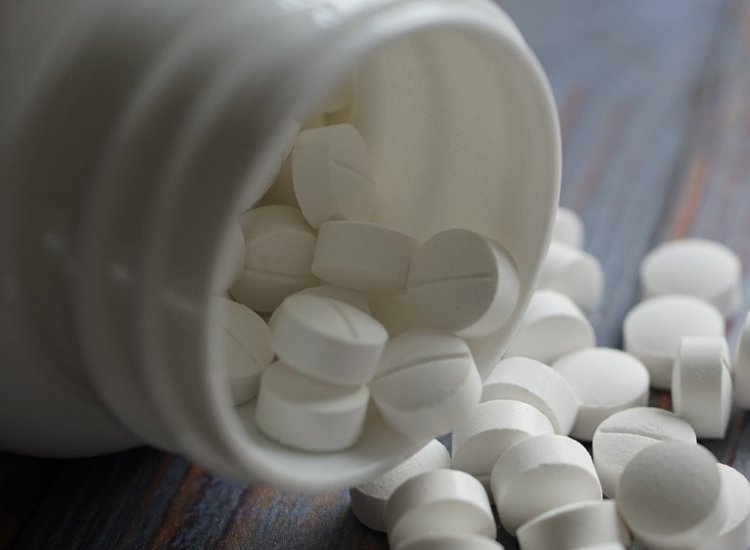
Sleep is an essential pillar of health, yet millions of people worldwide struggle to get a restful night. In Ireland, sleep disorders and insomnia have become increasingly common, leading to a surge in demand for sleep aids. Among the most popular solutions are sleep supplements, which claim to improve sleep quality naturally without the risks associated with pharmaceutical sleep aids.
The rise of sleep supplements is fueled by multiple factors, including increasing stress levels, greater awareness of sleep’s impact on health, and the widespread availability of these products. But do they actually work? Are they safe? And why are more Irish people turning to them? This read will explore the growing trend of sleep supplements in Ireland, examining their effectiveness, safety, and the broader societal factors driving their popularity.
The Sleep Crisis in Ireland
Sleep issues are becoming a major health concern in Ireland, affecting both mental and physical well-being. Studies indicate that many Irish people are not getting enough sleep, with factors such as stress, work demands, and digital screen exposure contributing to poor sleep quality.
According to research conducted by the Royal College of Surgeons in Ireland (RCSI), one in three Irish adults experiences chronic sleep deprivation. Furthermore, a 2022 survey by the Sleep Research Centre in Ireland found that 60% of respondents reported difficulty falling asleep at least once a week. Sleep deprivation is linked to increased risks of anxiety, depression, cardiovascular diseases, and weakened immune function.
Additionally, the COVID-19 pandemic exacerbated sleep disturbances. Lockdowns, remote work, and heightened stress led to disrupted sleep patterns, with many turning to various remedies, including sleep supplements, to restore normalcy.
The Rise of Sleep Supplements
In response to the sleep crisis, sleep supplements have gained significant traction in Ireland. Traditionally, people relied on prescription sleep medications such as benzodiazepines or Z-drugs, but concerns over dependency and side effects have prompted a shift toward more natural solutions.
Common sleep supplements now available in Irish pharmacies, health stores, and online retailers include:
Melatonin – A hormone that regulates sleep-wake cycles, often used for jet lag and sleep disorders.
Magnesium – Known for its calming effects, magnesium helps relax muscles and reduce stress levels.
Valerian Root – A herbal remedy used for centuries to promote relaxation and improve sleep.
CBD (Cannabidiol) – A non-psychoactive compound from the cannabis plant believed to aid sleep by reducing anxiety.
Herbal Blends – Chamomile, lavender, passionflower, and other botanical extracts are often combined in teas, capsules, or tinctures to support sleep.
Why Are Sleep Supplements Becoming Popular?
There are several factors contributing to the increased use of sleep supplements in Ireland:
- Increased Stress and Anxiety
Post-pandemic stress, economic uncertainty, and fast-paced lifestyles have left many struggling with anxiety and racing thoughts at bedtime. With mental health issues on the rise, many Irish people seek natural ways to unwind, making sleep supplements an appealing option.
- Greater Awareness of Holistic Health
The wellness industry has boomed in Ireland, with more people embracing natural and preventative approaches to health. As part of this movement, sleep hygiene and non-pharmaceutical remedies have gained recognition, leading consumers to explore options like melatonin and magnesium.
TheLiberal.ie won’t quit
Please support us with a small donation on PayPal!

- Accessibility and Marketing Influence
Sleep supplements are now widely available online and in stores, making them easier to purchase than ever. Additionally, social media influencers, wellness bloggers, and celebrities promote these products, increasing their visibility and normalizing their use.
- Avoidance of Prescription Medication
Traditional sleep medications come with risks of dependency, grogginess, and side effects, prompting many to look for alternative solutions. Sleep supplements are perceived as safer and more sustainable for long-term use.
Do Sleep Supplements Work?
The effectiveness of sleep supplements varies depending on the individual and the supplement used.
- Melatonin
Melatonin is one of the most researched sleep supplements. Studies indicate it is effective for regulating sleep cycles, particularly for people with jet lag or shift work disorder. However, its impact on chronic insomnia is less clear, and some experts caution against long-term use.
- Magnesium
Magnesium has been linked to improved sleep due to its role in muscle relaxation and stress reduction. According to a 2012 study published in the Journal of Research in Medical Sciences using magnesium supplements can improve sleep quality in older adults with insomnia.
- Valerian Root and Herbal Remedies
While valerian root, chamomile, and other herbs have been used for centuries as natural sleep aids, scientific evidence is mixed. Some studies suggest they provide mild sedative effects, while others find no significant benefit over placebo.
- CBD
CBD is gaining popularity in Ireland for its potential to reduce anxiety and improve sleep. While research is still emerging, some studies suggest it may help regulate sleep cycles. However, due to varying product quality and lack of regulation, results can be inconsistent.
Safety, Regulation, and Concerns
While sleep supplements are generally considered safe, they are not without risks. In Ireland, these products are classified as food supplements rather than medicines, meaning they are not subject to the same rigorous testing as pharmaceutical drugs.
Potential concerns include:
Lack of Regulation: The quality and efficacy of supplements can vary between brands, with some products containing misleading ingredient labels.
Side Effects: Melatonin can cause grogginess, headaches, and dizziness in some users. Valerian root may lead to stomach discomfort, and CBD may interact with certain medications.
Dependency Risk: While not as addictive as prescription sleep aids, some users may develop a psychological reliance on supplements for sleep.
Interaction with Medications: People taking antidepressants, blood thinners, or blood pressure medications should consult a doctor before using sleep supplements.
Alternative Approaches to Better Sleep
Beyond supplements, there are other proven methods to improve sleep naturally:
Practising Good Sleep Hygiene: Establishing a consistent bedtime, reducing screen time, and creating a relaxing pre-sleep routine can enhance sleep quality.
Diet and Exercise: Avoiding caffeine before bed, consuming sleep-supporting foods (such as almonds and bananas), and engaging in regular physical activity can improve sleep.
Cognitive Behavioral Therapy for Insomnia (CBT-I): This evidence-based therapy helps people address negative sleep patterns and is considered one of the most effective long-term solutions for insomnia.
A recent study claims that sleeping less than 5 hours a night is linked to diseases in later life.
The Takeaway
The growing popularity of sleep supplements in Ireland reflects a broader shift toward natural health solutions in an increasingly sleep-deprived society. While these supplements can offer benefits, they are not a cure-all and should be used alongside good sleep hygiene and lifestyle changes.
With the market continuing to expand, consumers should remain informed about the effectiveness, safety, and regulation of these products. Ultimately, improving sleep requires a holistic approach—one that combines responsible supplement use with sustainable health practices.

