

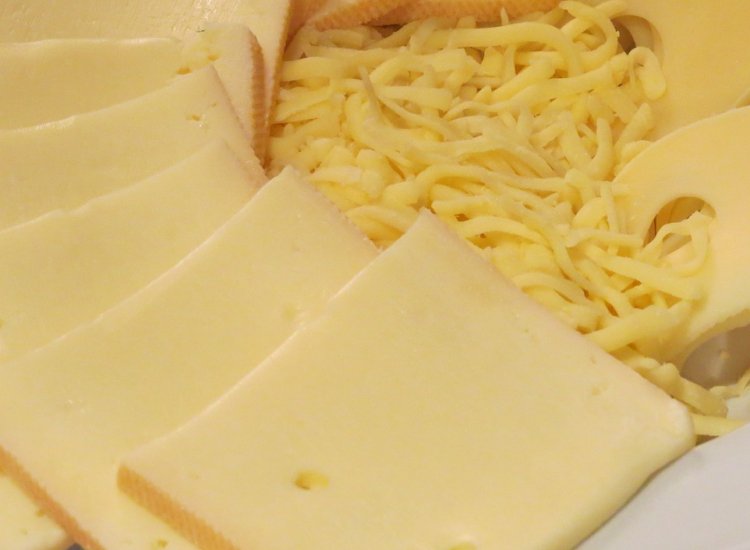
Due to concerns that they may carry a potentially fatal pathogen, a number of holiday delicacies have been immediately removed from store shelves, reports The Mirror.
The Food Safety Authority of Ireland has ordered the recall of a number of cheeses made by Wicklow Farmhouse because they may contain Listeria monocytogenes, a bacterium that causes listeriosis, a condition that produces flu-like symptoms, vomiting, and diarrhoea in most people.
Infections from listeriosis can spread to the brain or circulation in the most severe instances, which can result in meningitis or possibly fatal sepsis, reports The Mirror.
The elderly, small children, and those with compromised immune systems, such as cancer patients, are the most vulnerable. Because nearly one in five pregnant women who have listeriosis go on to have a miscarriage or stillbirth, pregnant women are also regarded as high risk.

Several Irish stores, including Dunnes Stores, SuperValu, Aldi, and Spar, carried the impacted cheeses, reports The Mirror.
It is recommended that anybody with one of the following goods at home return it for a complete refund and refrain from using it.
Since then, the stores who carried the impacted cheese have taken it off the shelves and will post notices at the point of sale, reports The Mirror.
A spokesperson for the FSAI said: “The cheese products listed are being recalled due to the possible presence of Listeria monocytogenes. Symptoms of Listeria monocytogenes infection can include mild flu-like symptoms, or gastrointestinal symptoms such as nausea, vomiting and diarrhoea. In rare cases, the infection can be more severe, causing serious complications. Some people are more vulnerable to Listeria monocytogenes infections, including pregnant women, babies, and people with weakened immune systems, including the elderly. The incubation period (time between initial infection and first symptoms appearing) is on average 3 weeks but can range between 3 and 70 days,” reports The Mirror.
Tell us your thoughts in the Facebook post and share this with your friends.

