

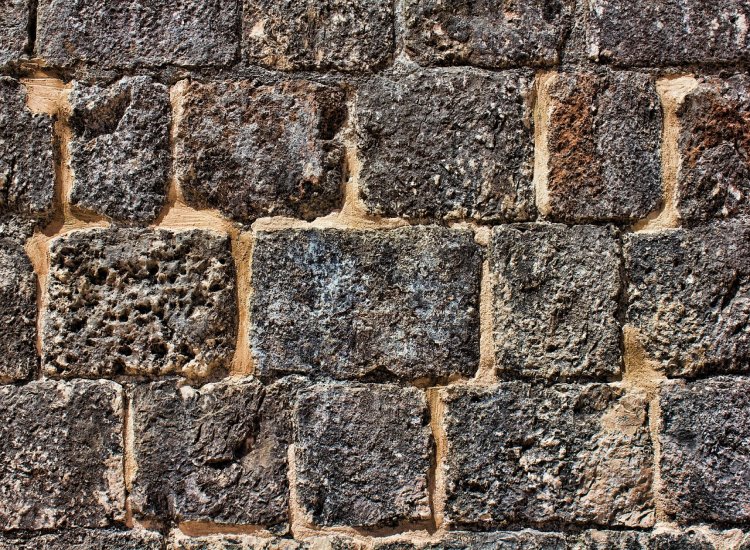
Walk through any Irish city or village and you’ll be surrounded by the evidence of a long and intimate relationship between people and stone. The very walls seem to whisper stories of the past, from the grand castles of Kilkenny to the dry-stone walls that snake across the Burren landscape. It’s a relationship of choice, with Irish builders recognising the inherent beauty and enduring qualities of stone.
Even today, there’s something undeniably appealing about using stone. Perhaps it’s the sense of permanence, the unique textures, or the way it seems to blend seamlessly with the natural environment. Whatever the reason, according to Natural Stone Ireland, natural stone continues to be a popular choice for both new builds and restoration projects across Ireland.
- Limestone
One can make an argument for limestone being the cornerstone of Irish architecture. Formed from the skeletal remains of ancient marine life, this sedimentary rock is found in abundance across the island, particularly in the central and western regions. Its colours range from pale grey and creamy white to a distinctive blue-grey, often interwoven with delicate fossil patterns that hint at its origins beneath prehistoric seas.
Irish limestone has been a favoured building material for centuries. Its relative softness makes it easy to work with, allowing craftspeople to shape it into intricate details and elaborate carvings. Limestone is equally at home in simpler structures, like the traditional farmhouses and cottages that dot the countryside.
While not as hard as granite, limestone weathers gracefully, developing a patina that deepens its character over time. This resilience makes it suitable for a wide range of applications, from flooring and paving to wall cladding and roofing. And in a country known for its changeable weather, limestone’s ability to withstand the elements is a valuable asset.
- Sandstone
If limestone whispers of ancient seas, sandstone speaks of windswept deserts and shifting sands. This sedimentary rock brings warmth and texture to the Irish architectural palette. Its colours range from golden yellows and rich browns to deep reds, thanks to the iron oxide content that gives it its distinctive hues.
Irish sandstone is found in various parts of the island, with notable deposits in counties Donegal, Cork, and Kerry. Each region boasts its own unique variations, with subtle differences in colour, grain size, and texture.
Sandstone’s inherent strength and durability make it a versatile building material. It can be carved into intricate details, as seen in the decorative stonework of many historic buildings. Its rougher textures lend themselves to more rustic applications, such as walls and fortifications, where its rugged appearance adds to the sense of strength and permanence. And in modern architecture, sandstone’s warm tones and natural beauty are often used to create inviting and visually appealing spaces.

- Granite
Born from volcanic activity deep within the earth, this igneous rock is composed of interlocking crystals that give it a characteristic sparkle and a remarkable resistance to wear and tear. In Ireland, granite is found primarily in mountainous regions like Wicklow, Galway, and Donegal, where its presence shapes the dramatic landscapes and provides a robust building material.
Irish granite comes in a variety of hues. Its durability makes it a natural choice for structures that need to withstand the test of time. Historic castles and fortifications, like those found in the rugged terrain of Connemara, showcase granite’s ability to endure centuries of harsh weather and tumultuous history. Its strength and resistance to weathering make it equally suitable for modern applications, from paving stones and retaining walls to kitchen countertops and public monuments.
Perhaps one of the most unique types of Irish granite is Connemara marble, a beautiful green stone with distinctive white veining. While technically a marble, its hardness and crystalline structure often lead it to be categorised with granites.
- Slate
Slate is perhaps best known for its role in roofing. This metamorphic rock has a unique ability to split into thin, durable sheets. It has been quarried for centuries, particularly in counties Kerry and Tipperary, where its presence has shaped both the landscape and the vernacular architecture.
The dark grey to purple hues of Irish slate give it a timeless quality, complementing both traditional and contemporary buildings. Its impermeability and resistance to weathering make it an ideal material for roofing, providing protection from the elements for generations. Its smooth texture and natural beauty also make it a popular choice for flooring, wall cladding like you see on Stone Clad, and even smaller decorative items.
While Valentia Slate, from County Kerry, is perhaps the most well-known, other varieties, like Killaloe Slate from County Clare, also contribute to Ireland’s rich slate heritage. Each type possesses its own unique characteristics, adding to the diversity and beauty of this versatile stone.
- Quartzite
Formed from sandstone subjected to intense heat and pressure deep within the earth’s crust, quartzite possesses a crystalline structure that gives it an almost ethereal glow. Its glistening surface captures and reflects light, adding a touch of magic to any building or landscape.
In Ireland, quartzite is found primarily in County Donegal. The stone’s extreme durability makes it an ideal choice for high-traffic areas and demanding applications. Its resistance to scratching, staining, and weathering ensures that it retains its beauty for generations, making it a popular choice for flooring, countertops, and wall cladding. In contemporary architecture, quartzite’s unique aesthetic is often used to create stunning focal points.
A Material for the Ages
Ireland’s natural building stones connect us to a past that stretches back millennia while continuing to inspire contemporary creations. Choosing to build with these stones means honouring the past and creating a sustainable future at the same time.

