

Ireland has a rich cultural heritage shaped by ancient Celtic roots, centuries of religious influence, and strong community bonds. Among the most deeply rooted customs are the country’s funeral traditions, which reflect a mix of solemn reverence, storytelling, and social gathering. While modern practices are becoming more common, many traditional elements of Irish funerals continue to hold strong today.
This read explores the unique aspects of Ireland’s funeral traditions—past and present—including wakes, religious rites, burial customs, and the communal role of grief and remembrance.
The Wake
One of the most distinctive features of Irish funerals is the wake. This custom, with origins in both pagan rituals and Christian practices, involves keeping vigil over the deceased before the funeral. Traditionally held in the home of the deceased, the wake allows friends, neighbors, and extended family to pay their respects in an intimate and familiar setting.
At its core, the wake is about honoring the life of the person who has died. The body is typically laid out in the front room or parlour, often in an open casket. Candles are lit, and rosary beads or other religious symbols may be placed in the hands of the deceased. Mourners gather to pray, share memories, and sometimes sing songs or recite poetry.
In rural areas, wakes could last up to three days and might include food, drink, and even laughter—highlighting the Irish belief that death should be faced not only with sadness but with a celebration of the person’s life.
Wake Traditions and Superstitions
Irish wakes have long been surrounded by a range of customs and superstitions. For example, mirrors in the house are often covered during the wake, believed to prevent the soul of the deceased from becoming trapped. Clocks may be stopped at the time of death, and windows opened to let the spirit pass on peacefully.
Historically, it was also common to have a “keener”—a woman who would lament loudly over the body in traditional Irish verse. This wailing, known as “caoineadh,” was part performance, part mourning ritual, designed to express grief and show respect. While this practice has faded in modern times, its influence still lingers in Irish funeral songs and poetry.
Funeral Mass
Ireland remains a predominantly Catholic country, and religion plays a central role in funeral proceedings. After the wake, the funeral Mass is usually held in a local church, often the parish the deceased attended in life. The service includes prayers, scripture readings, hymns, and a eulogy, all designed to comfort the grieving and honor the spiritual journey of the departed.
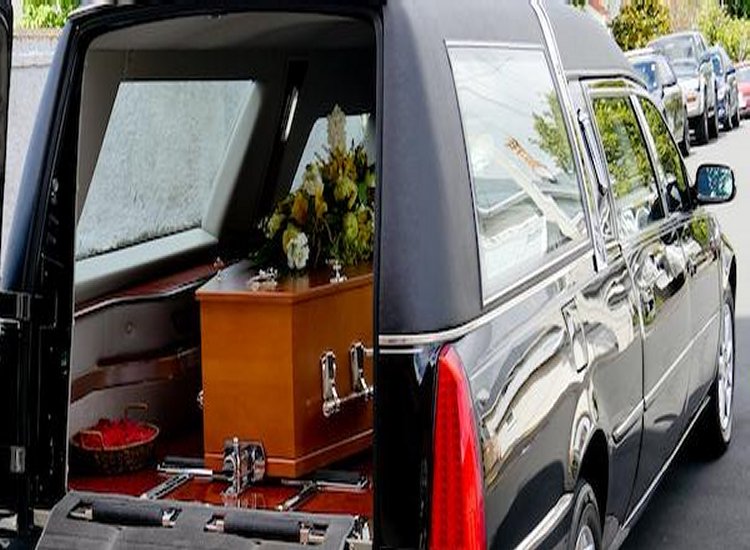
The coffin is brought to the church in a hearse, and it’s common for family members to accompany it either by foot or in procession. Pallbearers, usually close family or friends, carry the coffin into the church, where it is sprinkled with holy water and blessed.
The funeral Mass is not only a farewell but also a celebration of the soul’s passage to eternal life, as per Catholic belief. The priest often delivers a homily reflecting on the individual’s faith and place in the community, and family members may participate in readings or offer personal tributes.

Burial and the Final Farewell
After the Mass, the funeral procession continues to the cemetery for the burial. In Ireland, burial remains more common than cremation, although the latter is increasing in popularity, particularly in urban areas.
The graveside ceremony typically includes more prayers, a final blessing, and perhaps a few parting words from family or friends. It is customary for mourners to place flowers, handfuls of earth, or personal items on the coffin before it is lowered into the ground.
In rural areas, there may be a community effort to dig the grave or fill it in, symbolizing solidarity and support for the grieving family. Some cemeteries even host regular community maintenance days to care for graves and gravestones—a sign of enduring respect for ancestors.
The After-Funeral Gathering
Known as the funeral reception or simply “the afters,” this gathering is held after the burial and is an important aspect of the mourning process in Ireland. Typically held at the family home, a local pub, or community hall, it offers food, drink, and a chance to share stories and memories in a more relaxed setting.
While tears are common, so too is laughter, as the gathering gives people a chance to remember the happier times. Music, toasts, and storytelling are often part of this event, especially in smaller communities where traditions are preserved more closely.
This social element underscores the Irish view that death, though tragic, is also part of life, and that healing is found in togetherness.
Modern Influences and Changing Trends
Although many traditional Irish funeral customs remain intact, modern influences have altered some aspects of the process. Increasing urbanization and changing lifestyles mean that fewer people are waked at home, with funeral homes taking on a more prominent role. Cremation is more accepted, and secular services are more common, especially among younger generations or those with different beliefs.
Nonetheless, the essence of Irish funerals—the respect for the dead, the strength of community, and the blending of sorrow with celebration—has endured. Even when updated for modern times, Irish funerals remain deeply personal and culturally meaningful.
Funerals in Irish Folklore
Ireland’s relationship with death extends beyond funerals into its folklore. Legends abound with references to the afterlife, spirits, banshees (bean sí)—mystical women who wail before a death—and ghostly omens. Many of these tales reflect a view of death not as an ending, but as a passage to another realm.
This worldview informs many funeral customs, especially older ones, where there’s a sense of respect for the unknown and spiritual transitions. Even today, some families light candles at key anniversaries or visit graves regularly to maintain a connection with loved ones.
The Takeaway
Funerals in Ireland are more than just a farewell—they are a profound expression of culture, history, and community. From the heartfelt wake to the solemn Mass and the warm afters, each stage of the process reflects the deep importance placed on honoring the dead and supporting the living.
While customs evolve with time, the Irish funeral remains a powerful ritual of connection, not only to the person who has passed but also to one another. In life and death, Ireland holds fast to the traditions that remind us we are never alone in our grief—or our memories.

