

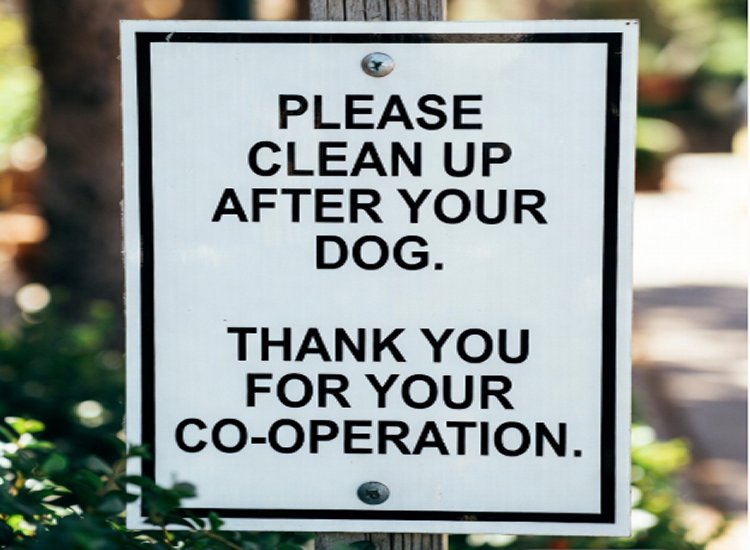
A local authority in Dun Laoghaire has taken a significant step toward addressing the persistent issue of dog fouling in public spaces by approving plans for a DNA-based identification system.
The initiative focuses on creating a scheme where DNA profiles are collected from dogs and linked to a database, allowing authorities to match samples found at fouling incidents to specific animals and their owners. This approach aims to overcome long-standing enforcement challenges, as traditional methods depend heavily on wardens directly witnessing offenses—a process made difficult by limited resources and staffing.
Under current Irish regulations, all dogs must already undergo microchipping, a procedure handled by veterinarians or authorized personnel. The proposed system integrates seamlessly by incorporating a simple DNA swab during this routine microchipping process, avoiding any additional burden or extra steps for responsible owners.

Once established, the database would enable quick comparisons: when dog waste is discovered on footpaths, parks, or other public areas, a sample can be collected and analyzed against registered profiles. If a match is found, the owner can be identified and held accountable through fines or further legal action. Similar programs in other European countries have demonstrated effectiveness, with reports of substantial reductions in incidents due to the strong deterrent effect. In those cases, revenue from penalties has often helped offset operational costs.
The council has decided to develop a local version of the scheme while also pressing for a broader national database. A unified national system would provide greater consistency and efficiency across regions. If national backing materializes, the area could serve as an initial pilot to test and refine the approach.
Dog fouling remains a widespread complaint, contributing to unclean public environments and posing health risks, particularly in residential neighborhoods and recreational spaces. Existing fines for the offense exist on the books—typically starting at a fixed penalty and escalating for repeated or prosecuted cases—but issuance has been rare in many areas due to evidentiary hurdles.
By leveraging modern technology tied to an existing legal requirement, the plan represents a shift toward proactive, evidence-based enforcement rather than reliance on chance observations. Supporters argue that the deterrent value alone could lead to cleaner streets and more considerate pet ownership, benefiting communities overall.
As work begins on the local framework and advocacy for wider implementation continues, the move signals a potential turning point in how Irish local authorities handle this common quality-of-life issue.
Tell us your thoughts in the Facebook post and share this with your friends.

