

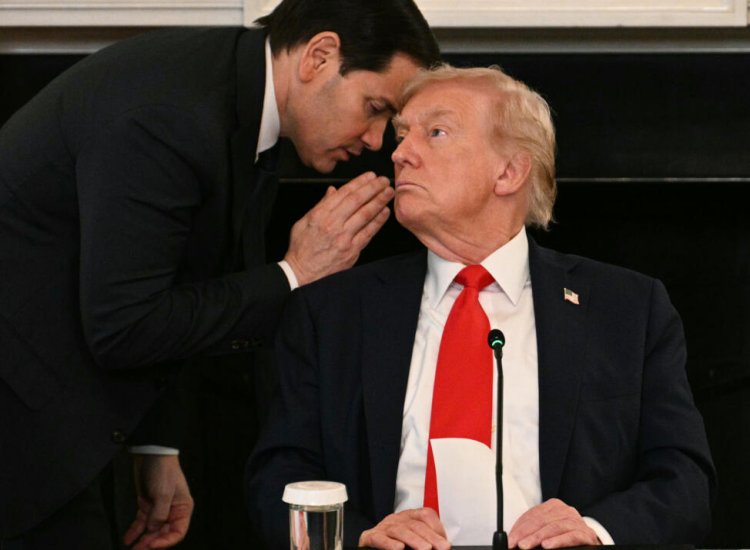
President Donald Trump has publicly stated that the ongoing U.S. military operations against **Iran** are projected to last “four or five weeks”, though he emphasized the United States has the capability—and willingness—to extend the campaign “far longer than that” if necessary.
In remarks delivered at the White House during a Medal of Honour ceremony on March 2, 2026, Trump addressed the conflict for the first time in person since large-scale strikes began. He described the initial military planning as anticipating a timeline of “four to five weeks” but stressed flexibility in response to battlefield developments. “Right from the beginning, we projected four to five weeks, but we have capability to go far longer than that,” Trump said. “Whatever it takes, we will always… We’ll do it.”
The comments came amid an escalating U.S.-Israel campaign that has involved extensive airstrikes on Iranian targets, following the reported killing of Supreme Leader Ayatollah Ali Khamenei in the opening phase of operations. Trump framed the intervention as the “last best chance” to neutralize threats from Iran’s ballistic missile arsenal, naval forces, nuclear program, and support for proxy groups across the Middle East. He outlined four primary objectives:
– Destroying Iran’s missile capabilities
– Eliminating its naval capacity
– Preventing Iran from ever obtaining a nuclear weapon
– Ensuring the regime can no longer arm, fund, or direct militant groups regionally

Trump’s timeline has shown some variation across interviews and statements. In discussions over the weekend with outlets including The New York Times and others, he indicated the assault could be sustained for “four to five weeks” while noting the operation was already “substantially ahead of schedule” in some respects. He has also alluded to the potential for a shorter or adjusted duration, but consistently maintained that the U.S. military would persist “as long as it takes” to achieve its goals, rejecting notions of an “endless” war while warning of possible additional American casualties.
The president’s remarks have drawn attention amid reports of mounting costs, including U.S. service member deaths (at least six confirmed in the early days), accidental incidents such as Kuwaiti forces downing American aircraft in friendly fire, and regional spill over involving strikes in Lebanon and missile exchanges affecting Gulf states. Gulf countries have reportedly urged Washington to keep the conflict short to minimize disruptions to global energy markets.
Trump has not ruled out the use of ground forces if deemed necessary, though he and administration officials like Defence Secretary Pete Hegseth have described the current phase as focused on air and missile operations rather than a full occupation or regime-change effort on the ground. Hegseth echoed the president’s flexibility, noting the timeline could “move up” or “move back” depending on progress.
As the conflict enters its early days—with over 1,250 targets reportedly struck by U.S. and Israeli forces—the stated four-to-five-week projection has sparked debate about sustainability, given the scale of munitions required and potential for Iranian retaliation or proxy escalation. Trump, however, projected confidence, insisting the campaign would not drag on indefinitely but would conclude decisively once objectives are met.
The situation remains fluid, with ongoing strikes, diplomatic manoeuvring, and warnings from Iranian officials rejecting negotiations. Trump’s insistence on a limited but extendable horizon underscores the administration’s aim to deliver a rapid, overwhelming blow while preserving options for prolonged engagement if resistance persists.
Tell us your thoughts in the Facebook post and share this with your friends.

