

The Central Bank has cautioned that the Government’s proposed €9.4 billion Budget package is “too large” and ultimately “unnecessary”, reports RTE.
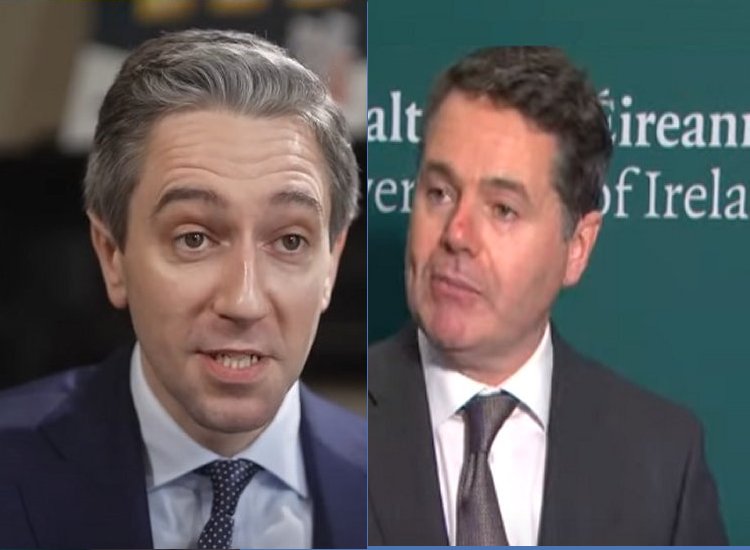
Finance Minister Paschal Donohoe confirmed on RTÉ’s News at One that the Budget would still include spending “at or inside €9.4bn”, despite this warning.
He said he values the input from the Central Bank and the Irish Fiscal Advisory Council, calling their contributions “very helpful and very important in our Budget debate”, and confirmed that he, the Taoiseach, Tánaiste, and Public Expenditure Minister Jack Chambers “listen to it very carefully”, reports RTE.
The Bank raised concerns that a “sharp increase” in state spending could put pressure on public finances.
It also warned that, when removing temporary budgetary measures, the underlying deficit this year would be higher than previously anticipated.
Government departmental spending has seen strong growth in 2025, and the overall expenditure cap has been increased, reports RTE.
As a result, the underlying deficit—excluding one-off measures—will hit 3.3% of national income this year.
It also projected a fall in revenue over the next few years, which would further widen the structural deficit, reports RTE.
The Bank said Ireland must broaden its tax base by raising money from more varied sources if it is to sustain higher public spending under the National Development Plan and maintain current service levels.
Minister Donohoe acknowledged that public spending has been high in recent years and said he “accepts” the Bank’s findings, reports RTE.
“We need to moderate and pull it down, and this is what myself and Minister \[for Public Expenditure and Reform] Jack Chambers are doing.”
He said the Government intends to implement this change over several Budgets, with a significant shift coming in Budget 2026.
The Central Bank also upgraded its growth forecast for 2025 and stated that the immediate effects of U.S. tariffs would not be as damaging as previously feared, reports RTE.
It now expects domestic economic growth of 2.9% this year—up nearly a full percentage point from its previous estimate.
Growth is expected to slow to 2.2% in 2026 and 2.4% in 2027.
Minister Donohoe said a “medium-term fiscal plan” would be published later this year, outlining expectations for future Budgets, reports RTE.
Robert Kelly, Director of Economics and Statistics at the Central Bank, said: “The economic outlook is not as favourable as it would have been had US tariffs not been introduced, but the tariff rates covering EU-US trade are lower than had been expected earlier in the year.”
A Central Bank report noted that national income is likely to be about 1% lower over the next 5 to 10 years than previously projected, due to these tariffs, reports RTE.
Mr Donohoe argued that increased investment is still needed in infrastructure such as water, energy, roads, and transport to support more housing—but warned that other priorities might need to be scaled back.
He admitted the case would be “complex and demanding” given current cost-of-living pressures, but said it’s necessary to sustain Budget surpluses and continued economic growth, reports RTE.

“The Central Bank are already critical that we are doing too much so we can’t do any more than that,” the minister said, reports RTE.
The Bank estimates that 32,500 homes will be completed in 2025, but it lowered its housing projections for 2026 and 2027 to 36,000 and 40,000 respectively—down by 1,500 in each year.
Minister Donohoe said this year’s figure “about right” but added he was “hopeful” it could be “a little bit more”, reports RTE.
Speaking on News at One, he said: “We know on the basis of decisions that have currently been made that the housing output that we have for this year and next year in particular, is lower than we want it to be.
“We accept we’re not building enough homes, but we know we need to add to it and we’re working on that in different decisions that have been made and will be made,” he said, reports RTE.
He added that once the Budget is finalised and the National Development Plan outlines what’s achievable, it will “positively influence” housing delivery “beginning next year”.
The comments follow weaker-than-expected figures for planning permissions published this week by the Central Statistics Office, reports RTE.
Robert Kelly said the Government’s focus on capital investment is “correct”, but warned the economy needs room to accommodate it.
“So in reality, when you put together the need for that capital investment along with large increases in current spending and tax cuts, the economy can’t simply absorb all that. The big problem with that, potentially, is the value for money we’ll get as we try to do that capital spending,” he told RTÉ’s Morning Ireland, reports RTE.
“The second element is, right now if you look across the economy, the tariffs are not having the binding and strength we thought they might have in terms of the outlook,” he said.
“So we don’t need that stimulus. What that means is that if there was to be a risk further down the road, we wouldn’t have the space or the capacity for the public finances to respond,” he added, reports RTE.
Mr Kelly also said the focus should shift from broad fiscal supports to more targeted aid for vulnerable households.
He stressed the urgent need for housing infrastructure.
“We’ve had at least five to ten years now where that gap has been that there’s more demand for housing than supply, so we have to try and close that gap,” he added.
Asked about the possibility of tax relief for developers, Minister Donohoe said no final decisions had been made yet, reports RTE.
“We already have measures to support the delivery of homes in our tax code and what we will do is look at how we can encourage housing supply to increase further again, but I don’t want to do what we did at other points that then ended up causing us such great difficulty that then led to fewer homes being built for longer,” he said.
He stated that the size of any tax package would depend on how much revenue the economy brings in, and changes to carbon tax and PRSI would help “widen the tax base” at a time when caution is required, reports RTE.
He said the Budget surplus gives the Government the chance to set aside funds that could help protect the country’s finances in the future.
The minister also said no final call has been made on whether to cut VAT for the hospitality sector in next month’s Budget.
“We have not made any decisions yet,” he said, adding: “If we do one thing, it means there are trade-offs and choices that have to be made,” reports RTE.
Tell us your thoughts in the Facebook post and share this with your friends.
