

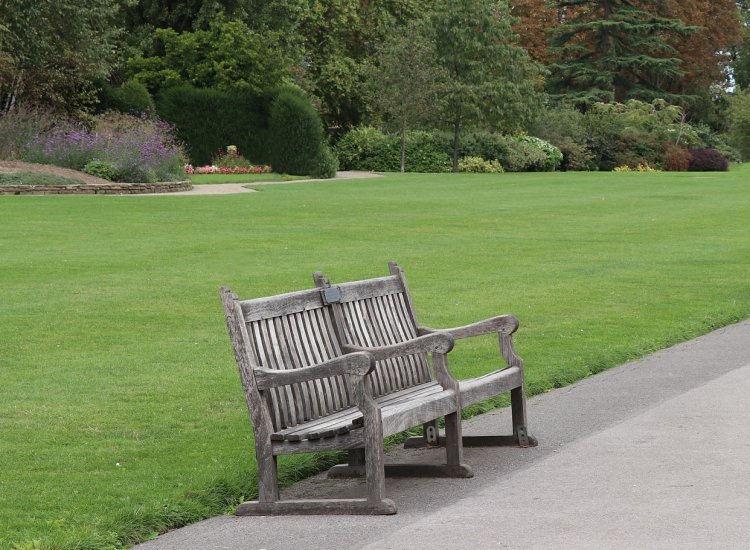
Something is quietly shifting in how cities are designed. Walk through Dublin, Copenhagen, or Singapore today and you will notice more greenery woven into the urban fabric than ever before. Rooftop gardens, tree-lined streets, pocket parks tucked between apartment blocks, and planters that double as street furniture are no longer luxuries reserved for wealthy neighbourhoods. They are becoming standard tools in a city planner’s toolkit, and for good reason. Research published in 2025 by the European Environment Agency confirmed what many urban designers had long suspected: regular access to green space reduces stress, improves mental health outcomes, and even lowers rates of cardiovascular disease. The spring of 2026 feels like a tipping point, as more municipalities across Europe commit to ambitious greening targets. This is the story of how sustainable urban design is quietly transforming the places we live, and why the materials and methods being chosen matter more than most people realise.
The science behind green space and public well-being
Urban green space is no longer a nice-to-have. A growing body of evidence connects access to parks, street trees, and planted areas to measurable improvements in how people feel and function. A landmark study from the University of Exeter found that people living within 300 metres of green space reported significantly lower levels of anxiety and depression compared to those who did not. What makes this finding particularly powerful is that the effect held true regardless of income level or age group. Cities are now designing with this evidence front and centre, treating greenery as public health infrastructure in the same way they treat hospitals or cycle lanes. In Ireland, this thinking has started to influence planning policy at a local and national level, with new developments increasingly required to include meaningful green provisions rather than token window boxes.
Sustainable materials are changing what urban greening looks like
The choice of material in urban greening projects has a surprisingly large impact on both sustainability and longevity. Designers and city planners are moving away from plastic and treated timber towards materials that age gracefully and require minimal maintenance over decades. Weathering steel has emerged as a favourite for exactly this reason. Its distinctive amber and rust-brown patina develops naturally over time as the outer layer oxidises, forming a protective coating that actually prevents deeper corrosion. This makes it ideal for outdoor urban environments where ongoing maintenance budgets are limited. Corten steel planters are now appearing in streetscapes, public squares, and residential developments across Ireland and the UK, prized not just for their durability but for the warm, earthy aesthetic that complements both contemporary and traditional architecture. They sit naturally within a green space rather than competing with it, which is precisely what good sustainable design should do.

Designing green spaces that last beyond the next election cycle
One of the most underappreciated challenges in urban greening is designing for the long term. Many well-intentioned projects are installed with great fanfare but deteriorate within a decade because the materials chosen were not suited to outdoor exposure, or because maintenance requirements were underestimated from the start. Truly sustainable urban design solves this problem at the specification stage. Using materials that require little intervention, selecting native plants that thrive without intensive care, and building in modular flexibility so that spaces can evolve without complete replacement are all strategies that forward-thinking designers are now applying. The goal is to create spaces that continue to deliver well-being benefits for residents twenty or thirty years from now, not just for the ribbon-cutting photo. This long-term thinking is increasingly becoming a contractual requirement in public procurement, with lifecycle cost now weighted alongside initial build cost.
Why modularity matters in modern urban planting
Modular planting systems have become a practical solution for cities that need to adapt their green spaces quickly as populations and priorities change. Rather than ripping out fixed raised beds or replanting entire areas, modular planters can be rearranged, added to, or relocated as a neighbourhood evolves. This is particularly valuable in urban areas undergoing regeneration, where the character of a street can shift significantly within just a few years. Weathering steel lends itself well to modular design because it can be fabricated in consistent, repeatable forms that stack and connect easily. For project managers working on tight timelines, a supplier like My Steel can provide ready-made solutions that remove much of the uncertainty from the procurement process while still delivering a high-quality, long-lasting result that genuine sustainable design demands.
Green cities are not built overnight, but they are built with intention
Every great urban green space started with a decision: to treat public well-being as a design priority rather than an afterthought. The cities that are getting this right in 2026 are not necessarily the ones with the largest budgets. They are the ones making smarter choices about where to invest, what materials to specify, and how to involve communities in the process. From Dublin’s expanding canal-side planting schemes to smaller market towns introducing greenery into pedestrianised high streets, the momentum is real and building. If you are involved in planning, landscaping, or urban development and want to explore how durable, design-led materials can support your next greening project, take a closer look at what is possible with corten steel planters. The right material, chosen thoughtfully, can be the difference between a space that thrives for a generation and one that fades within a few years.

