

Achieving elite status in strength training is a complex endeavour that goes well beyond lifting heavy weights. It demands a comprehensive approach that integrates technique, recovery, nutrition, and, most importantly, the right equipment and accessories. For lifters at the pinnacle of their sport, the margin between success and injury can be razor-thin. This is why the choice of training accessories is critical, not merely as additional items, but as essential tools that enhance performance, provide crucial support, and protect the body from the immense stresses of heavy lifting. These accessories serve as the foundation upon which elite lifters build their strength, power, stability, and longevity in the sport.
In this article, we will explore the indispensable strength training accessories elite lifters rely on daily. From footwear designed to provide unwavering stability to belts that bolster core strength and specialised wraps that protect vulnerable joints. Each piece of equipment is carefully chosen to elevate training while minimising risk. Additionally, we delve into tools that aid recovery and enable lifters to train harder and more consistently. Whether you are a competitive powerlifter, an Olympic weightlifter, or simply a dedicated strength athlete seeking to optimise your regimen, understanding and utilising these accessories can dramatically influence your progress and overall athletic performance.
Lifting Shoes
One of the most critical accessories for elite lifters is a pair of high-quality weightlifting shoes. Unlike ordinary trainers, specialised lifting shoes provide a rigid, non-compressible sole that ensures firm contact with the ground, preventing energy loss and improving balance. These shoes feature an elevated heel, typically between 0.5 to 1 inch, which facilitates better ankle dorsiflexion. This adjustment allows lifters to maintain a more upright torso and deeper squat depth, which is essential for proper technique and injury prevention.
A secure fit, often complemented by straps in addition to laces, keeps the foot immobile inside the shoe, allowing maximal force transfer during lifts. Brands like Adidas, Nike, and Asics offer models specifically designed for heavy lifting, ensuring longevity and comfort throughout intense training sessions.
Weightlifting Belts
For those handling maximal or near-maximal weights, a strong and well-made weightlifting belt is indispensable. Belts increase intra-abdominal pressure, which enhances spinal stability and reduces the risk of injury to the lower back. This is critical during squats, deadlifts, and overhead presses, where the lumbar spine is under significant stress.
Elite lifters typically choose belts made of thick leather with consistent width (around 4 inches) to provide even support around the torso. Some prefer tapered designs for added comfort, especially if bench pressing or performing exercises where flexibility is needed.
Wearing a belt correctly involves tightening it enough to support the core without impeding breath control, allowing an effective Valsalva manoeuvre, a technique that involves holding the breath to stabilise the trunk.
Wrist Wraps and Lifting Straps
Heavy lifts place extreme demands on the wrists, especially during pressing and pulling movements. Wrist wraps provide compression and limit excessive wrist deviation, reducing strain on ligaments and tendons. This support helps maintain proper wrist alignment, which is key for injury prevention and optimal force generation during exercises like bench presses and snatches.
Lifting straps are essential accessories for improving grip strength during exercises such as deadlifts, shrugs, and barbell rows, where grip fatigue often limits performance. By looping straps around the wrists and the bar, lifters can secure a stronger hold on the weight, allowing them to lift heavier loads without worrying about losing grip. However, straps should be used judiciously to avoid neglecting natural grip development.
Barbell Squat Pads and Speciality Bar Accessories
Barbell squat pads, made from high-density foam, cushion the shoulders and neck during heavy barbell squats, lunges, and hip thrusts. These pads reduce discomfort and prevent bruising or pressure points without interfering with lifting form.

Furthermore, specialty bars, such as safety squat bars, cambered bars, and deadlift bars, offer lifters variations that adjust the biomechanics of lifts. For example, safety squat bars position the load differently to reduce shoulder or elbow strain and emphasise different muscle groups. These tools are invaluable for targeting weaknesses and preventing overuse injuries, enabling longer, more effective training cycles.
Squat Racks, Adjustable Benches, and Other Rigging Essentials
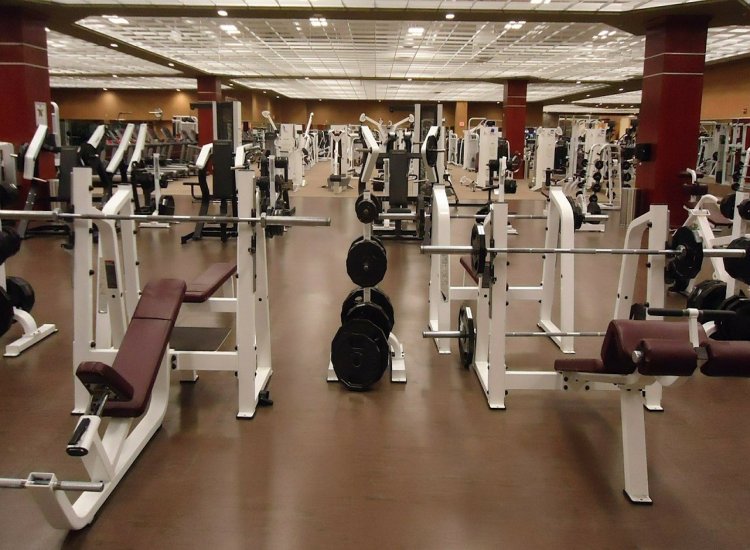
A solid squat rack with adjustable safety pins is fundamental for heavy training, allowing lifters to perform squats and other compound movements safely, even when pushing to failure. Versatility in adjustability allows for accommodating different lifts like front squats, overhead presses, or rack pulls.
An adjustable bench complements the rack by enabling a wide range of pressing and accessory exercises, including flat, incline, and decline presses, dumbbell work, and rows. The stability and build quality of benches are crucial for safety, especially when handling maximal loads. It is recommended that these types of heavy gym equipment be installed by professionals.
Resistance Bands and Cable Machines
Resistance bands provide variable resistance and add a dynamic challenge to classic lifts and accessory movements. Bands can be used for banded deadlifts and squats to increase resistance at the top of the movement, improving lockout strength and speed. They also offer excellent assistance for warm-ups, mobility drills, and even rehabilitation exercises.
Cable machines, with their ability to provide constant tension, allow for highly controlled accessory exercises. Movements like face pulls, rows, and triceps pushdowns target smaller muscle groups and improve joint health, crucial for injury prevention and balanced muscular development in elite lifters.
Dip Belts and Grip Enhancers
Dip belts equipped with chains enable progressive overload in bodyweight exercises such as dips and pull-ups by allowing the attachment of additional weights. This incrementally increases the difficulty and strength gains from these functional exercises.
Grip enhancers such as barbell and dumbbell grips increase bar thickness to challenge the forearms differently, improving grip endurance and strength over time. These are especially useful during hypertrophy-focused training phases where volume and grip fatigue become limiting factors.
Foam Rollers and Recovery Tools
Recovery tools play a critical role in an elite lifter’s program. Foam rollers aid in self-myofascial release, helping to reduce muscle tightness and improve blood flow. Regular use can decrease soreness and speed recovery, which enables more frequent and intense training sessions.
Additional recovery devices like massage balls, percussion guns, and stretching straps complement foam rolling by targeting deep tissue adhesions and enhancing flexibility. Prioritising recovery with these accessories is essential to prevent chronic injuries and support consistent performance improvements.
Chalk and Gloves
While often overlooked, chalk is a simple but powerful accessory that improves grip by absorbing sweat and moisture. It is indispensable for heavy pulls and Olympic lifts, providing a non-slip grip that can significantly enhance safety and performance.
Gloves offer hand protection against calluses and blisters for those engaged in high volume lifting or machine work. Modern lifting gloves balance protection with grip integrity, though many elite lifters prefer bare hands for maximal tactile feedback on the barbell.
Conclusion
For elite lifters, premium accessories are not mere luxuries—they are essential components of a successful, sustainable training regimen. From specialised shoes and belts that provide irreplaceable support to dynamic tools like bands and dip belts that amplify training intensity, each item contributes uniquely to strength, technique, and longevity. Additionally, recovery tools ensure that lifters can maintain peak performance without succumbing to common overuse injuries.
Choosing the right set of accessories tailored to one’s sport, goals, and individual needs can dramatically enhance results. Whether you compete in powerlifting, Olympic lifting, or are a strength enthusiast seeking optimal gains, investing in the proper equipment is a cornerstone of elite achievement.

