

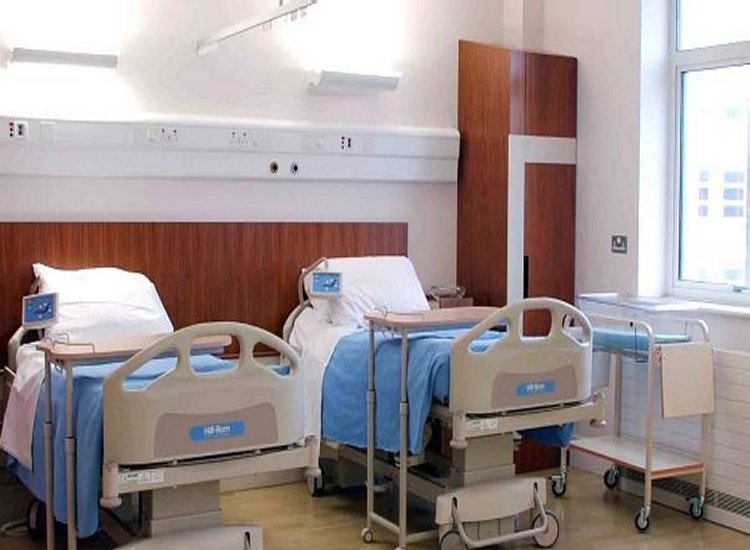
Dublin, the vibrant capital of Ireland, is home to a robust healthcare system that serves a rapidly growing population. However, the city’s healthcare infrastructure is currently facing a significant challenge: a critical shortage of hospital beds. This shortage is affecting the quality of care, the efficiency of hospital operations, and the overall health of Dublin’s residents. As the demand for hospital services increases, the shortage of beds is becoming an urgent issue that requires immediate attention and long-term solutions.
Current State of Hospital Bed Availability in Dublin
In recent years, Dublin’s hospitals have experienced a persistent shortage of available beds. According to the Irish Nurses and Midwives Organisation (INMO), Dublin hospitals are frequently operating at or above 100% capacity, a stark contrast to the recommended 85% capacity for efficient and safe healthcare delivery. For example, in 2023, the number of patients waiting for hospital beds reached a record high, with hundreds of people left on trolleys in emergency departments.
Compared to other major cities in Ireland and Europe, Dublin’s hospital bed availability is significantly lower. Ireland has around 2.9 hospital beds per 1,000 people, which is well below the European average of 5.3. This shortfall is particularly acute in Dublin, where the bed occupancy rate has been consistently high, even outside of peak seasons like winter.
Causes of the Shortage
There are a number of factors contributing to the ongoing shortage of hospital beds in Dublin:
(i) Aging Population
Dublin, like many cities across Europe, is grappling with an aging population. As the proportion of elderly citizens increases, so does the demand for hospital beds. Older patients tend to have more complex and chronic conditions, leading to longer hospital stays and, consequently, a higher demand for beds.
(ii) Healthcare Staffing Issues
The shortage of healthcare professionals, including doctors, nurses, and support staff, further exacerbates the bed shortage. A lack of adequate staff means that hospitals are unable to efficiently manage bed turnover, leading to delays in admitting new patients. Staffing shortages also impact patient care, which can prolong hospital stays and reduce the overall number of available beds.
(iii) Lack of Funding and Investment
Dublin’s healthcare system has suffered from years of underfunding and inadequate investment in infrastructure. The lack of new hospital development and expansion has left many facilities outdated and unable to accommodate the growing number of patients. Additionally, budget constraints have led to the closure of some hospital wards, further reducing bed availability.
(iv) Impact of COVID-19
The COVID-19 pandemic placed an unprecedented strain on Dublin’s healthcare system. Hospitals had to repurpose beds for COVID-19 patients, which limited their capacity to treat other conditions. The pandemic also led to delays in elective procedures and routine care, causing a backlog that continues to impact bed availability today.
Consequences of the Hospital Bed Shortage
The shortage of hospital beds in Dublin has far-reaching consequences for both patients and healthcare providers:
(i) Impact on Patient Care
The most immediate effect is on patient care. Many patients face long wait times in emergency departments or find themselves treated in non-ideal conditions, such as being placed on trolleys in hallways. Delays in receiving timely treatment can lead to worsened health outcomes, increased discomfort, and greater stress for patients and their families.

(ii) Effect on Healthcare Workers
Healthcare workers are also bearing the brunt of the shortage. Overcrowded hospitals lead to higher workloads, increased stress, and burnout among staff. The lack of adequate resources and support hampers their ability to provide quality care, affecting both job satisfaction and staff retention rates.
(iii) Wider Public Health Implications
The bed shortage also has broader public health implications. When hospitals are overcrowded, it creates a ripple effect throughout the healthcare system. General practitioners (GPs) and outpatient services become overwhelmed with patients who cannot access hospital care, increasing wait times and reducing the quality of care available to the broader community.
Potential Solutions and Actions Being Taken
Addressing the shortage of hospital beds in Dublin requires a multi-faceted approach that involves government intervention, hospital management strategies, and community-based solutions:
(i) Government Initiatives
The Irish government has acknowledged the issue and proposed various policies to increase bed capacity. This includes plans to build new hospitals and expand existing ones, as well as investments in healthcare infrastructure to modernize facilities and improve efficiency. Recent budgets have allocated funds specifically for increasing bed numbers, although these measures are still in the early stages.
(ii) Hospital Management Strategies
Hospitals in Dublin are implementing various strategies to optimize bed management and reduce pressure on the system. These include improving patient discharge processes, enhancing coordination between departments, and adopting digital tools to better manage bed occupancy. Some hospitals are also investing in alternative care settings, such as day-case surgeries and short-stay units, to reduce the demand for overnight beds.
(iii) Community-Based Solutions
Strengthening primary care and community-based services can play a significant role in reducing hospital admissions. This includes promoting home care, expanding telemedicine services, and improving access to local GPs and outpatient services. Hospital bed rental in Dublin with nurse home visits is another option to alleviate pressure on hospitals. By managing minor health issues and chronic conditions outside of hospitals, the demand for inpatient beds can be reduced.
(iv) Private Sector Involvement
Dublin’s private hospitals have also been enlisted to help alleviate the bed crisis. Collaboration between public and private sectors can provide additional capacity, especially for elective procedures and non-critical care, thereby freeing up public hospital beds for more urgent cases. Using private physiotherapists such as physiohub.ie in Dublin could alleviate physio hospital visits and free up space.
The Road Ahead
While short-term measures are important, Dublin needs a comprehensive, long-term strategy to address its hospital bed shortage. This strategy should focus on sustained investment in healthcare infrastructure, continuous recruitment and retention of healthcare professionals, and the development of innovative care models that reduce the need for hospital admissions. Collaboration between government agencies, healthcare providers, and communities is essential to create a more resilient and efficient healthcare system.
Conclusion
The shortage of hospital beds in Dublin is a growing crisis that impacts patients, healthcare workers, and the broader community. While the causes of this shortage are complex, ranging from demographic shifts to funding constraints, there are actionable steps that can be taken to mitigate its effects. By prioritizing investments in healthcare infrastructure, enhancing bed management strategies, and embracing community-based care, Dublin can build a more sustainable healthcare system for the future.

