

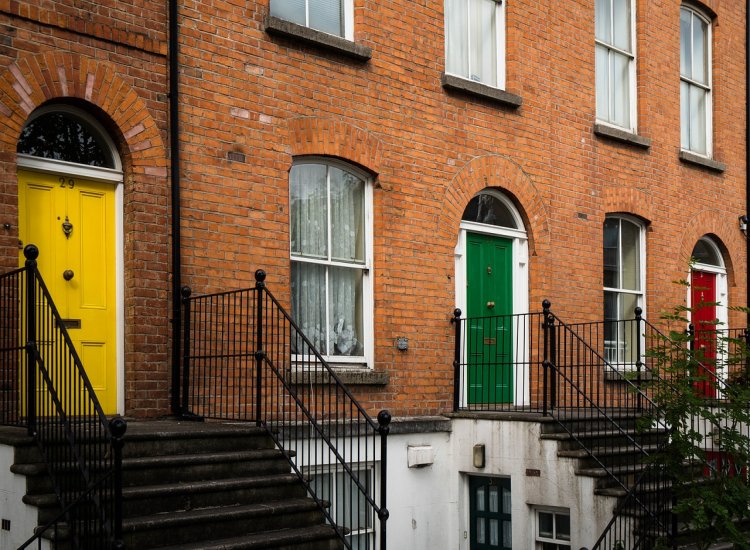
Buying a house in Dublin has become an increasingly challenging endeavour for many. The high property prices in the Irish capital are a result of a combination of economic, regulatory and social factors. This article will delve into the various reasons contributing to the skyrocketing house prices in Dublin. Understanding these factors can provide a clearer picture of the complex dynamics at play.
- Economic Growth and Employment Opportunities
Dublin is the economic powerhouse of Ireland, housing the headquarters of numerous multinational corporations, particularly in the tech and pharmaceutical sectors. Companies like Google, Facebook, and Pfizer have significant operations in Dublin, attracting many high-income professionals. This influx of well-paid employees increases the demand for housing, pushing prices higher.
- Supply and Demand Imbalance
One of the fundamental principles of economics is the balance of supply and demand. In Dublin, the demand for housing far exceeds the supply. Several factors contribute to this imbalance:
* Population Growth: Dublin’s population has been steadily increasing due to both natural growth and immigration. This demographic trend exacerbates the demand for housing.
* Limited Land Availability: Dublin is a relatively small city geographically, with limited land available for new development. Strict zoning laws and regulations further constrain the ability to expand housing stock.
* Construction Delays: Building new homes takes time, and various bureaucratic and logistical hurdles can delay construction projects, reducing the pace at which new homes come onto the market.
- Regulatory and Policy Issues
Government policies and regulations significantly impact the housing market. In Dublin, several policy-related issues contribute to the high cost of housing:
* Planning Permissions: Obtaining planning permission in Dublin can be a lengthy and complex process. This delay hampers the development of new housing projects, restricting supply.
* Building Regulations: While stringent building regulations ensure safety and quality, they also increase the cost of construction. Developers must comply with numerous standards, which can drive up the price of new homes.
* Tax Policies: Property taxes and levies can add to the overall cost of housing. Developers often pass these costs onto buyers, further inflating prices.
- Investment and Speculation
Dublin’s property market is attractive to investors, both domestic and international. Real estate is seen as a stable and profitable investment, leading to high levels of speculation. Investors buying properties to rent out or sell a house in Dublin at a profit drive up prices, making it more challenging for first-time buyers to enter the market.

- Impact of Short-Term Rentals
The rise of short-term rental platforms like Airbnb has also had a significant impact on Dublin’s housing market. Properties that could be used for long-term rentals or sold to homebuyers are instead being converted into short-term rentals. This trend reduces the available housing stock and increases prices as landlords and property owners seek higher returns from short-term rentals.
- Construction Costs
The cost of building a house in Dublin is considerably high due to several interrelated factors that collectively drive up expenses:
* Labour Costs: Skilled labour in the construction industry commands high wages, which significantly contributes to overall building costs. The shortage of skilled workers further exacerbates this issue, as competition for available talent drives wages even higher. This scarcity is partly due to the emigration of construction workers during the economic downturn, many of whom have not returned, leading to a persistent labour gap.
* Material Costs: The price of construction materials has been rising, influenced by global supply chain issues and increased demand. Factors such as Brexit have disrupted supply chains, causing delays and increasing the cost of importing materials. Additionally, the COVID-19 pandemic led to a surge in demand for building materials worldwide as countries embarked on infrastructure projects to stimulate their economies. This global competition for materials such as steel, timber, and concrete has driven prices up, adding to the overall cost of construction in Dublin.
* Land Acquisition Costs: The high cost of land in Dublin also contributes to the overall expense of construction. Prime land in desirable areas comes at a premium, and developers must factor these costs into their pricing. The limited availability of land for new development, particularly in central locations, further drives up prices. Competition among developers for available land parcels leads to bidding wars, escalating the cost of land acquisition and subsequently increasing the final price of housing units.
* Financing Costs: The cost of financing construction projects can be substantial, particularly given the lengthy timelines and uncertainty associated with large-scale developments. Interest rates, loan terms, and the availability of credit can all impact the overall cost of construction. In periods of economic uncertainty or tight credit markets, developers may face higher financing costs, which are often passed on to homebuyers. Companies in Dublin who have home offices such as PRO SEO Dublin are making things more affordable by having their work and homelife under the one roof instead of having 2 locations.
- Cultural and Social Factors
Cultural and social factors also play a role in the high cost of housing in Dublin. Homeownership is highly valued in Irish society, and many people aspire to own their homes. This cultural emphasis on owning property rather than renting adds to the demand, driving up prices. Additionally, the desire to live in certain desirable neighbourhoods or close to amenities further escalates the cost of homes in those areas.
Conclusion
The high cost of buying a house in Dublin is the result of a complex interplay of factors, including economic growth, population increases, regulatory constraints, and market dynamics. While efforts are being made to address these issues, the path to affordable housing in Dublin remains challenging. Understanding these underlying causes can help policymakers, developers, and potential buyers navigate the intricate landscape of Dublin’s housing market.
