

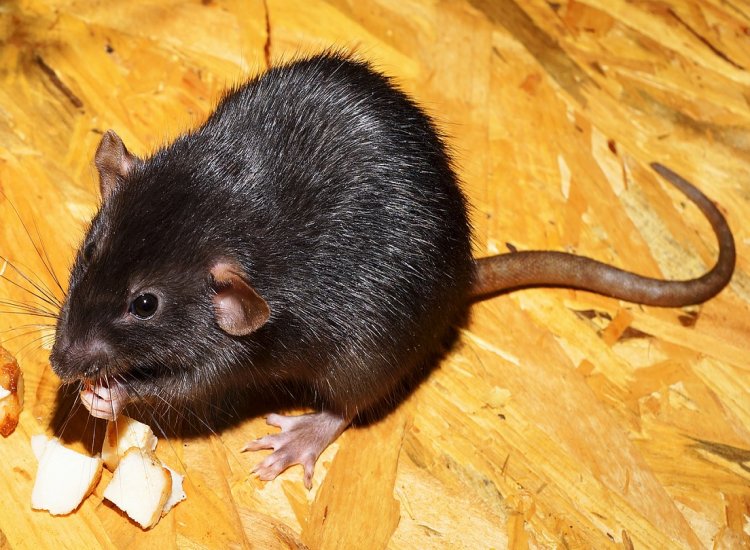
In recent years, Dublin has witnessed an unsettling rise in pest activity, with many residents and businesses struggling with unwanted infestations. From the persistent and annoying insects to the destructive and disease-ridden rodents, pests are no longer just an occasional nuisance. They have become a significant concern, threatening not only public health but also the city’s infrastructure and economy.
As the city’s population swells and urban development accelerates, the very conditions that make it an attractive place to live and work are also proving to be a magnet for these unwelcome intruders. This increase in pest problems demands urgent attention and effective solutions to safeguard the city’s future.
The Impact of Increased Pest Activity in Dublin
According to Ultimate Pest Control Dublin, the negative and costly impact of increased pest infestations is being felt across homes, businesses, and public spaces in Dublin.
Impact on Public Health
One of the most significant concerns associated with pest infestations in the city is the threat they pose to public health. Pests such as rats and mice are known to carry various diseases that can easily spread through contaminated food, surfaces, or direct contact.
Insects, too, play a role in spreading harmful bacteria. Flies, for instance, are notorious for transporting pathogens from waste and filth to food, potentially causing foodborne illnesses.
Economic Consequences
The economic toll of rising pest populations is another crucial aspect of this problem. Infestations can lead to significant financial losses for both homeowners and businesses. For homeowners, pests can cause damage to electrical wiring, insulation, and even the structural components of buildings, leading to costly repairs. They can also cause damage to personal property and valuables.
In commercial properties, such as retail stores, warehouses, or restaurants, pests can destroy goods and inventory, particularly in the food sector, where contamination risks are high.
Pest infestations in hospitality businesses, such as hotels and restaurants, can be particularly detrimental to their reputation leading to significant loss of sales. In addition, it can lead to health code violations and hefty fines.
Impact on Quality of Life
For residents, the psychological and emotional toll of dealing with pests is significant. The presence of rats, mice, or insects in the home can lead to increased stress, anxiety, and a diminished quality of life. People may feel embarrassed or unsafe in their own homes, which can affect their overall wellbeing.
Environmental Impact
The rising need for pest control in Dublin has led to an increased use of chemical pesticides, which, while effective, have led to unintended consequences for the environment including, contamination of soil and water and harm to beneficial insects like bees.
Additionally, invasive pests pose the risk of disrupting local ecosystems by outcompeting native species for resources, threatening biodiversity.
Common Pests in Dublin
Dublin faces a range of pest problems that impact homes, businesses, and public spaces. Below are the most common pests causing issues in the city, each presenting unique challenges that require targeted control measures:
Rats and Mice
Rodents are widespread in Dublin, spreading diseases and causing structural damage by gnawing on wires, pipes, and insulation.
Cockroaches
Commonly found in kitchens, bathrooms, and basements, cockroaches pose significant health risks by contaminating food and surfaces.
Flies
These pests are known to transport bacteria from waste to food, contributing to the spread of foodborne illnesses.
Ants
Ants often invade homes and businesses in search of food, creating persistent infestations that are challenging to control.
Bedbugs
Common in densely populated or high-tourism areas, bedbugs cause discomfort with their bites and are difficult to eliminate once established.
Birds

While not typically associated with the same level of danger as rodents or insects, birds can cause significant issues in Dublin, particularly in urban areas. Seagulls, in particular, are a growing nuisance, as their numbers increase in cities. These birds can damage roofs, block drains, and create an unhygienic environment with their droppings, which can also carry diseases.
Factors Contributing to the Rise in Pest Infestations
Several factors are driving the increase in pest infestations in Dublin, ranging from environmental changes to shifts in urban development.
Urbanisation
As Dublin’s population continues to grow, so does the demand for housing, retail spaces, and commercial buildings. This expansion often leads to the destruction of natural habitats, forcing pests into urban environments. With more people living in close quarters, it becomes easier for pests to spread from one property to another, increasing the risk of infestations.
Poor Waste Management
Improper waste disposal and poor hygiene practices are also contributing to the pest problem in Dublin according to Moovmor Recycling. Overflowing bins, food waste left out in public areas, and unsealed waste containers are all ideal environments for pests like rats, mice, and cockroaches. In many parts of the city, particularly in more densely populated neighbourhoods, waste management systems are often stretched to capacity, creating a breeding ground for pests.
Impact of the COVID-19 Pandemic
The COVID-19 pandemic has had a profound impact on pest populations in Dublin. During lockdowns, many businesses closed their doors, leaving behind vacant spaces that became breeding grounds for pests. According to reports, there has been a 40% increase in rat control treatments since the onset of the pandemic, as rodents took advantage of deserted urban areas.
Climate Change
The impact of climate change is another factor contributing to the rise in pests. Warmer winters and more humid summers provide a more favourable environment for pests to survive and reproduce. Insects like cockroaches and ants thrive in these conditions, while rodents are more likely to seek shelter in urban areas during milder winters. These changes in weather patterns have extended the breeding seasons for many pests, allowing them to multiply at a faster rate.
Challenges in Addressing the Pest Infestation Problem in Dublin
Lack of Awareness
Many residents and businesses in Dublin may not immediately recognise the early signs of pest infestations, which can lead to more severe problems down the line. For instance, a single rat or cockroach sighting might be dismissed as a minor issue, only for it to turn into a full-blown infestation over time. Similarly, some homeowners may not be aware of the importance of maintaining proper hygiene and sealing entry points, which are essential steps in pest prevention.
Urban Density
The high population density in Dublin makes it easier for pests to spread rapidly from one location to another. Rodents and insects, in particular, can quickly move between properties, which makes it harder to eliminate infestations.
Resistance to Pesticides
Another challenge faced by pest control services is the increasing resistance of certain pests to conventional pesticides. Over time, pests such as rodents and insects can develop resistance to chemicals used to control them, making it more difficult to eradicate them effectively.
Addressing the Pest Infestation Problem in Dublin
As the demand for pest control grows in Dublin, both traditional and modern solutions are being utilised to effectively address pest problems.
Professional Pest Control Services
Many Dublin residents and businesses are turning to pest control companies to address growing infestations. These services combine traditional methods with advanced technologies, such as thermal imaging and eco-friendly treatments, to tackle pests effectively.
Preventative Maintenance
Property owners in Dublin are increasingly adopting preventative measures like sealing entry points and improving waste management. This proactive approach aims to limit pest access and reduce infestation risks in urban and suburban areas.
Eco-Friendly Practices
There is a noticeable shift toward using environmentally friendly pest control methods in Dublin. Non-toxic pesticides, natural deterrents, and sustainable practices are becoming popular, reflecting broader environmental awareness in the city.
Regular Monitoring and Inspections
Regular inspections by pest control professionals are now a standard practice, particularly for businesses in the food and hospitality sectors. This ensures early detection of infestations and compliance with health regulations.

