

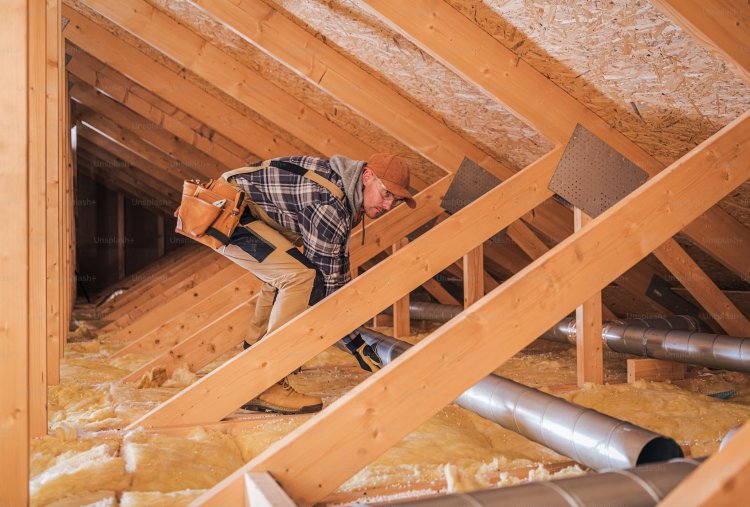
In recent years, Dublin has seen a noticeable rise in attic conversions, with more homeowners opting to convert underused attic spaces into functional, stylish rooms. This trend is driven by a variety of factors, including rising property prices, the need for more living space, and the desire to add value to existing homes without the expense or hassle of moving. Attic conversions offer a cost-effective and practical solution to modern space challenges, making them an increasingly attractive option for Dublin homeowners.
Why Are Attic Conversions Gaining Popularity?
- Maximizing Space in Urban Areas
One of the main reasons for the rise in attic conversions in Dublin is the limited space available in the city. As Dublin becomes more densely populated, homeowners are looking for ways to make better use of what they already have. The attic, which often serves as nothing more than storage for old boxes and seasonal decorations, offers untapped potential. Converting this space into a bedroom, home office, or playroom allows families to grow and adapt without changing addresses.
- High Property Prices and the Cost of Moving
The cost of buying a larger home in Dublin has skyrocketed in the past decade. Between stamp duty, legal fees, and moving costs, upgrading to a bigger property can be financially daunting. Attic conversions in Dublin present a much more affordable alternative. For a fraction of the cost of moving, homeowners can create valuable additional space and enjoy the benefits of a larger home without leaving their current neighbourhood.
- Adding Value to Your Home
In the competitive Dublin property market, an attic conversion can significantly boost a home’s value. Depending on the size and quality of the conversion, it can add up to 15–20% to the market price of a property. A well-designed attic bedroom with an en-suite or a modern office space can make a home more appealing to prospective buyers or renters. This makes attic conversions not just a practical decision but a strategic investment.
Common Uses for Converted Attics
- Additional Bedrooms
One of the most popular uses for converted attics is creating an extra bedroom, often a master suite with an en-suite bathroom. This is especially beneficial for growing families who need more sleeping space but want to avoid moving to a larger home.
- Home Office
With the rise of remote working and hybrid work models, a dedicated home office has become a necessity for many Dublin residents. A converted attic provides a quiet, separate space that enhances productivity and work-life balance.
- Children’s Playroom or Teenager’s Retreat
For families with children, the attic can be transformed into a vibrant play area or a chill-out zone for teenagers. It offers privacy and personal space for younger family members while keeping the main living areas uncluttered.
- Guest Room or Rental Opportunity
An attic conversion can also serve as a comfortable guest room or even a small studio for rental purposes. In a city with high demand for rental accommodation, this can be a great way to generate extra income.
The Process of Converting an Attic
- Feasibility Assessment
Before any work begins, a professional builder or architect will assess whether your attic is suitable for conversion. Key factors include the roof structure, available headroom, and access.

- Planning Permission
In many cases, attic conversions fall under “permitted development” and don’t require planning permission. However, if the conversion involves altering the roofline or includes dormer windows facing the street, you may need to apply to Dublin City Council for approval. A skilled roofer is also esstiakl for this job.
- Design and Layout
Once approved, the design process begins. This involves deciding on the layout, lighting, insulation, stairs, and overall aesthetics. A well-thought-out design ensures that the new space is both functional and visually appealing.
- Construction and Finishing
The construction phase includes structural reinforcements, installing flooring, insulation, plumbing (if needed), and electrical work. Once the structure is complete, finishing touches like painting, flooring, and furniture are added to complete the space.
Choosing the Right Contractor in Dublin
Choosing the right contractor is arguably the most critical step in a successful attic conversion. A skilled, experienced builder ensures the project is not only completed to a high standard, but also complies with all safety, structural, and legal requirements. With so many contractors operating in Dublin, making the right choice can be daunting — but there are several key factors to consider to help you make a confident and informed decision.
- Experience with Attic Conversions
Not all builders have the specific skills required for attic conversions. Look for a contractor who specializes in or has extensive experience with these types of projects. Ask to see a portfolio of previous work and request references from recent clients. An experienced contractor will know how to address common challenges like low head height, structural reinforcements, and complex rooflines.
- Check Credentials and Insurance
Ensure that any contractor you consider is fully licensed, insured, and compliant with Irish building regulations. Public liability insurance and employer’s liability insurance are essential — they protect both you and the workers on site in case of accidents or damage. You can also check whether the contractor is registered with professional bodies like the Construction Industry Federation (CIF) or the National Guild of Master Craftsmen.
- Transparent Pricing and Detailed Quotes
Avoid vague estimates. A trustworthy contractor will provide a clear and itemized quote that breaks down the cost of materials, labour, design work, project management, and any extras. Make sure VAT is included to avoid unexpected surprises. It’s wise to get at least three quotes from different companies to compare pricing, timelines, and the scope of work.
- Design and Planning Support
Some contractors offer a full-service package, including architectural design, planning permission assistance (if required), structural engineering, and project management. This can be a major advantage, especially for first-time renovators. Having one team handle every aspect of the project reduces the risk of miscommunication and delays.
- Communication and Reliability
Good communication is essential throughout the conversion process. Your contractor should be responsive, clear, and willing to discuss any concerns or changes. Look out for red flags such as poor punctuality during initial meetings, reluctance to provide references, or high-pressure sales tactics. A reliable contractor will offer a clear timeline, keep you informed of progress, and respect your home and schedule.
The Takeaway
Attic conversions in Dublin are more than just a passing trend—they represent a smart and sustainable way for homeowners to enhance their living space, add property value, and meet the demands of modern life. With careful planning and professional execution, converting your attic can breathe new life into your home without the stress and cost of moving. Whether you need an extra bedroom, a peaceful home office, or a guest suite, the attic might just be the most valuable untapped space in your house.
