

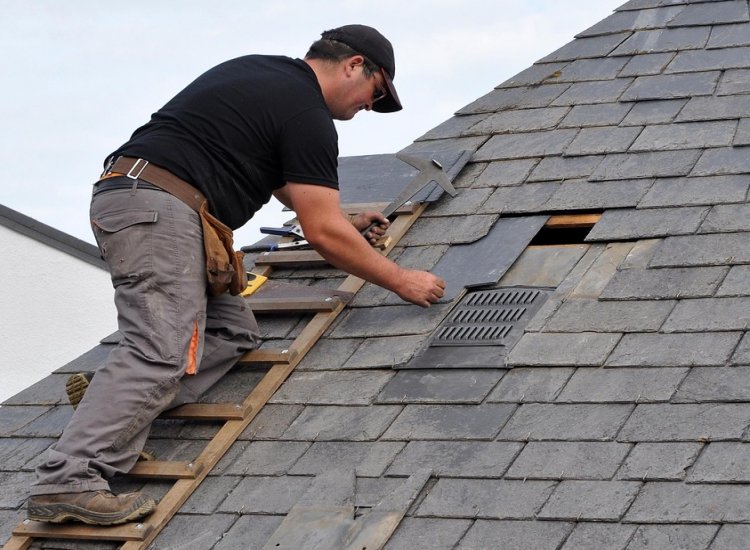
The construction industry in Ireland is currently facing a significant challenge: a severe shortage of skilled roofers. Roofing is a critical trade, ensuring the safety, durability, and energy efficiency of buildings, yet the industry is struggling to attract and retain enough qualified professionals. As demand for housing and commercial infrastructure continues to grow, the scarcity of skilled roofers such as Irish Roofers in Dublin is becoming a bottleneck, delaying projects and driving up costs.
This read delves into the root causes of this shortage, its impact on the construction sector, and the potential solutions that could help bridge the skills gap. With the right measures in place, Ireland can revitalize its roofing industry and ensure that construction projects are completed efficiently and to high standards.
Understanding the Shortage
The roofing trade in Ireland has seen a steady decline in skilled workers over the past decade. According to industry reports, there are simply not enough trained professionals to meet current and future demand. Several factors contribute to this decline, from demographic changes to shifting career preferences among young people.
One of the key issues is that fewer apprentices are entering the trade. The number of young people pursuing careers in skilled trades has declined as many opt for university education instead of vocational training. Additionally, the roofing workforce is ageing, with many experienced professionals retiring without enough new workers to replace them.
Another major factor is the construction industry’s cyclical nature. The economic downturn of the late 2000s led to a significant reduction in construction jobs, causing many skilled roofers to leave the industry or emigrate in search of work elsewhere. Although the sector has since rebounded, the workforce has not recovered at the same pace, leaving a persistent skills gap.
Causes of the Skilled Roofer Shortage
- Decline in Apprenticeships
Apprenticeships play a crucial role in sustaining the roofing industry, but interest in this career path has waned. Many young people view roofing as physically demanding and less prestigious than other career options. Schools often emphasize academic pathways over trade skills, leading to a lack of awareness about the benefits and opportunities available in the roofing profession.
- Aging Workforce
The roofing industry heavily relies on experienced professionals who have been in the trade for decades. However, as these workers retire, there are not enough new recruits to take their place. Without a structured transition plan, valuable expertise is being lost, further exacerbating the shortage.
- Economic Uncertainty
Roofing, like other construction trades, is vulnerable to economic fluctuations. During periods of economic downturn, projects are delayed or cancelled, leading to job losses. Many skilled workers who lost their jobs during the recession sought employment in other sectors or moved abroad. When the industry rebounded, many did not return.
- Emigration and Competition from Other Industries
Many Irish roofers have sought opportunities abroad, particularly in countries offering better pay and more stable employment conditions. Additionally, competition from other trades within the construction sector has made it more difficult to retain workers in roofing specifically.
- Lack of Training Opportunities
The decline in dedicated vocational training programs for roofing has also contributed to the skills gap. While there are construction-related courses available, few specialize in roofing, leaving potential workers without clear entry pathways into the industry.

Consequences of the Shortage
- Delays in Construction Projects
The shortage of skilled roofers such as hallmarkroofing.ie is slowing down residential and commercial construction projects across Ireland. Developers are struggling to complete projects on time, leading to increased costs and housing shortages.
- Rising Costs
With fewer skilled professionals available, wages for roofers have risen significantly. While this benefits workers in the trade, it also drives up overall construction costs, making housing and commercial developments more expensive.
- Quality and Safety Concerns
A lack of qualified roofers increases the risk of untrained workers taking on jobs beyond their skill level. Poor workmanship can lead to structural problems, leaks, and safety hazards, compromising the integrity of buildings.
- Impact on Homeowners and Businesses
Longer wait times for roof repairs and installations affect both homeowners and businesses. Emergency repairs may be delayed, leading to further damage and increased expenses.
Possible Solutions and Strategies
There are a number of potential solutions that can help curb the shortage. These include:
- Encouraging Apprenticeships and Training
To address the shortage, it is essential to promote apprenticeships and vocational training programs. Government incentives, industry partnerships, and awareness campaigns can help attract young people to the trade.
- Improving Work Conditions and Wages
While roofing is a demanding job, offering better wages, benefits, and working conditions can make it more appealing. Investing in safety measures and modern equipment can also improve job satisfaction and retention.
- Promoting Roofing as a Viable Career Path
Changing the perception of roofing as a low-status job is crucial. Schools, career counsellors, and industry bodies should work together to highlight the opportunities for advancement, self-employment, and financial stability in the trade.
- Leveraging Technology
Modern roofing techniques and materials can help improve efficiency and reduce the physical strain on workers. The use of drones for roof inspections, lightweight materials, and prefabricated roofing components can make the job more accessible and attractive.
- Encouraging Diversity in the Workforce
Attracting a more diverse workforce, including women and underrepresented groups, could help fill the skills gap. Outreach programs, mentorship initiatives, and inclusive workplace policies can make roofing a more welcoming and viable career choice for a broader range of individuals.
- Government and Industry Collaboration
A coordinated effort between the government, construction companies, and training institutions is necessary to develop long-term strategies for workforce development. Policies that provide funding for training and incentives for hiring apprentices can help bridge the skills gap.
The Takeaway
The shortage of skilled roofers in Ireland is a pressing issue that requires immediate attention. Without a sufficient workforce, construction projects will continue to face delays, costs will rise, and quality may suffer. However, by investing in training, improving working conditions, and promoting roofing as a viable career, Ireland can overcome this challenge and build a stronger, more sustainable construction industry.
Addressing this issue is not just about meeting demand; it’s about ensuring the long-term stability of the trade and providing meaningful career opportunities for the next generation of skilled workers. The time to act is now.

