

Ireland’s tourism sector is experiencing something rather extraordinary. Not just a recovery—that’s old news now—but a genuine transformation that’s creating wealth for those sharp enough to spot the patterns.
The landscape has shifted dramatically. Visitor spending has surpassed pre-pandemic levels by comfortable margins across most regions. But here’s what the basic recovery narrative doesn’t capture: the fundamental shifts in how people travel, what they’re willing to pay for, and where the real money is flowing.
Ireland’s Tourism Gold Rush: Why Now is Your Moment
Walk through Dublin’s city centre on any given Tuesday in February—traditionally the deadest month in Irish tourism—and you’ll notice something different. The hotels aren’t empty anymore. The restaurants have queues. Those tour buses that used to hibernate until March? They’re back on the streets.
This isn’t just seasonal adjustment. Ireland has cracked something that most destinations struggle with: year-round appeal. Climate change, oddly enough, has been kind to us. Those famously mild Irish winters suddenly seem rather attractive when half of Europe is dealing with extreme weather events.
The domestic market represents a massive opportunity that barely existed five years ago. Irish people discovered their own country during lockdown and never quite stopped exploring it. They’re booking premium experiences, staying in quality accommodation, and—crucially for business owners—they’re not particularly price-sensitive when the experience delivers.
Corporate travel has evolved too. The bleary-eyed business travellers of old have been replaced by “workation” seekers and companies hosting retreats in genuinely inspiring locations. These aren’t your grandfather’s corporate bookings—they’re week-long affairs with premium requirements and budgets to match.
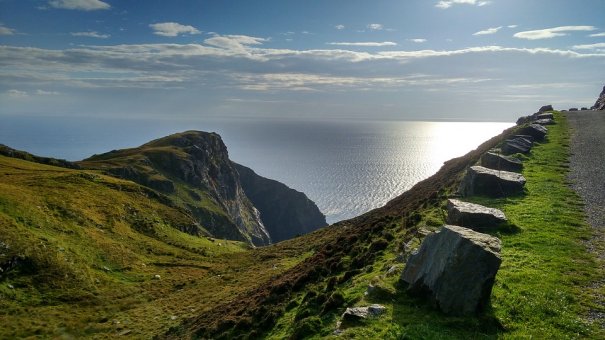
Regional opportunities are particularly striking. Counties like Donegal and Kerry, once purely seasonal destinations, are seeing steady bookings throughout the shoulder months. The Wild Atlantic Way hasn’t just been marketing genius; it’s been economic transformation for rural communities with the wit to capitalise.
Government investment signals confidence that smart money should notice. Increased marketing budgets and EU rural development funds specifically targeting tourism infrastructure suggest a sector with serious institutional backing.
But here’s the real kicker: supply hasn’t kept pace with demand in key segments. Quality accommodation outside major cities remains scarce. Unique experiences that go beyond the traditional shamrock-and-Guinness formula are still rare enough to command serious premiums.
Essential Infrastructure Investments That Pay Dividends
The difference between a profitable tourism business and one that merely survives often comes down to infrastructure decisions made in the first year. Not the glamorous stuff—the boring, essential elements that guests never notice when they work perfectly and always remember when they don’t.
Accommodation businesses, in particular, face a peculiar challenge. Guests expect luxury hotel standards regardless of your property’s star rating or price point. The bar has risen dramatically, and those who’ve invested accordingly are reaping the rewards.
Take bedding quality—hardly the most exciting topic at a business networking event, but absolutely critical for guest satisfaction scores. Modern travellers are sophisticated consumers who know the difference between cheap and cheerful versus genuinely comfortable. Their online reviews reflect this knowledge with brutal honesty.
Contract beds have become the foundation of successful accommodation businesses precisely because they’re designed for commercial environments where consistency matters more than initial cost. The mathematics are straightforward: superior guest comfort translates directly into higher review scores, increased repeat bookings, and the ability to command premium rates.
Specialist suppliers understand these dynamics better than general furniture retailers. Companies such as King Koil Contract Beds have built their reputations on understanding hospitality’s unique requirements—durability that withstands constant use, comfort that satisfies diverse guest preferences, and consistency across multiple units that maintains brand standards.
The financial impact extends beyond guest satisfaction. Quality commercial bedding typically offers significantly longer lifespans compared to domestic alternatives. Factor in reduced replacement costs, fewer guest complaints, and higher occupancy rates from improved reviews, and the return on investment becomes compelling.
Technology infrastructure deserves similar attention. Modern booking systems aren’t luxuries—they’re revenue optimisation tools. Dynamic pricing capabilities alone can substantially improve yield for businesses willing to embrace data-driven decision making.
But here’s where many operators stumble: they treat infrastructure as cost centres rather than profit drivers. The most successful tourism businesses view every infrastructure decision through the lens of guest experience and revenue impact. What seems expensive initially often proves remarkably cost-effective over time.
Revenue Diversification Through Strategic Service Offerings
Single-revenue-stream tourism businesses are increasingly vulnerable in Ireland’s competitive landscape. The winners understand that modern travellers want comprehensive experiences, not just accommodation or transport in isolation.
Smart operators are building service ecosystems around their core offerings. A boutique hotel might partner with local artisan producers, adventure activity providers, and cultural experience specialists to create packages that keep guests engaged—and spending—throughout their stay.
The psychology behind this approach is fascinating. Guests who book individual services often treat each transaction as a separate purchase decision, complete with price comparison and alternatives evaluation. But when services are bundled into comprehensive experiences, the value proposition shifts from cost per component to overall experience quality.
Luxury minibus hire represents a particularly interesting opportunity within this ecosystem approach. What started as basic transportation has evolved into a premium service category that commands substantial rates when positioned correctly.
The demand drivers are compelling. Group bookings—whether corporate retreats, wedding parties, or extended family holidays—increasingly expect seamless logistics as part of their experience. They’re willing to pay significantly more for reliable, comfortable transport that removes stress from their itinerary.
Established operators like Keogh Luxury Tours of Ireland have demonstrated how quality transportation services can become profit centres rather than operational necessities. Their success stems from understanding that modern luxury transport isn’t just about getting from A to B—it’s about maintaining the experience quality throughout the journey.
The revenue model extends beyond simple hourly rates. Successful operators build relationships with accommodation providers, event planners, and corporate clients that generate predictable, repeat business. They understand seasonal demand patterns and price accordingly, often achieving substantially higher rates during peak periods without losing bookings.
Partnership opportunities abound for businesses willing to think creatively. Accommodation providers can offer transport packages that increase their average booking value whilst providing reliable revenue to transport operators. Event venues can integrate luxury transport into their offerings, creating additional touchpoints with clients and opportunities for upselling.
The key insight: guests increasingly value convenience and seamless service delivery over individual cost savings. They’ll pay premium rates for operators who eliminate friction from their experience and deliver consistent quality across all service touchpoints.
Market Positioning and Competitive Advantage Strategies
Ireland’s tourism market rewards specialisation more generously than broad-based approaches. The operators making serious money have identified specific niches where they can dominate rather than competing across entire market segments.
Consider the premium market dynamics. International visitors to Ireland typically have substantial disposable income and represent experienced travellers willing to pay for quality experiences rather than budget seekers looking for basic accommodation.

Positioning becomes crucial in this context. Generic “traditional Irish experience” offerings compete primarily on price, creating downward pressure on margins. But businesses that identify specific experience gaps can command premium rates with minimal direct competition.
Cultural immersion experiences, for instance, consistently outperform standard tourism offerings in both pricing and guest satisfaction. Cooking classes with local chefs, private archaeological site visits, artisan workshop experiences—these create memorable moments that justify premium pricing whilst generating excellent word-of-mouth marketing.
Authentic storytelling matters enormously to modern travellers, but authenticity can’t be manufactured. Successful operators build their positioning around genuine local connections, historical knowledge, and cultural insights that can’t be easily replicated by competitors.
Digital presence amplifies positioning efforts but requires consistent execution. Guest reviews on platforms like TripAdvisor and Google directly influence booking decisions, with businesses maintaining high star ratings commanding significantly higher rates than those with poor reviews.
The review economy creates interesting dynamics. Businesses that consistently exceed expectations can build sustainable competitive advantages through superior online reputations. Guest satisfaction becomes a marketing asset that compounds over time, reducing customer acquisition costs whilst supporting premium pricing.
Seasonal positioning strategies can dramatically improve profitability. Many successful operators develop distinct offerings for different times of year, capitalising on weather patterns, cultural events, and varying visitor demographics. Winter experiences command different premiums than summer offerings, requiring different positioning approaches.
Building Profitable Local Networks and Partnerships
The most profitable tourism businesses in Ireland rarely operate in isolation. They’ve built networks of strategic relationships that create multiple revenue streams whilst reducing operational risks and marketing costs.
Partnership economics in tourism are particularly compelling because they often involve commission-based revenue sharing rather than upfront investment. A boutique hotel that develops relationships with local experience providers can earn referral commissions whilst enhancing guest satisfaction—a genuine win-win scenario.
But successful partnerships require more than casual referral arrangements. The operators generating serious partnership revenue treat relationship building as a core business function, not an afterthought. They understand their partners’ businesses, market dynamics, and customer needs well enough to make valuable introductions and recommendations.
Consider the financial mathematics of effective partnership networks. Commission percentages on partner bookings might seem modest until you calculate the cumulative impact across multiple partners and guest stays. Hotels that actively promote local experiences often generate substantial additional revenue per guest through partnership commissions alone.
Exclusive arrangements can create even more substantial value. Accommodation providers that develop exclusive relationships with unique experience providers can differentiate their offerings whilst ensuring consistent quality for their guests. These arrangements often involve minimum booking guarantees that provide revenue predictability for experience providers.
Seasonal partnerships deserve particular attention in Irish tourism. Businesses that collaborate during traditionally quiet periods can maintain cash flow whilst reducing individual marketing costs. Shared promotional campaigns, combined packages, and cross-referrals help all partners weather seasonal fluctuations more effectively.
Local supplier relationships extend beyond tourism-specific partnerships. Successful operators often develop preferential arrangements with everything from local food producers to maintenance contractors, improving margins whilst supporting community relationships that enhance their authentic positioning.
The network effect becomes powerful over time. Businesses with strong local relationships often become central nodes in their regional tourism ecosystems, receiving referrals from multiple sources whilst having access to exclusive opportunities before they become widely available.
Financial Optimisation and Scaling Strategies
Tourism businesses that understand revenue management principles consistently outperform those that rely on fixed pricing strategies. The sector’s demand patterns create opportunities for sophisticated operators to maximise yield through data-driven pricing decisions.
Dynamic pricing, once exclusive to airlines and large hotel chains, is now accessible to small tourism operators through various software platforms. The impact can be substantial—businesses that adjust prices based on demand, seasonality, and local events often achieve significantly higher revenue than those maintaining static rates.
Cash flow management requires particular attention in seasonal tourism businesses. Successful operators develop financial strategies that account for dramatic income fluctuations, often maintaining credit facilities specifically designed for tourism seasonality patterns.
The most sophisticated operators use seasonal low periods for reinvestment and business development. Property maintenance, staff training, marketing campaign development, and partnership building activities can be concentrated during quiet months, positioning businesses for maximum revenue generation during peak periods.
Tax optimisation strategies specific to tourism businesses can significantly improve net profitability. Capital allowances for tourism-related investments, rural development grants, and various EU funding schemes can substantially reduce the effective cost of business expansion and improvement projects.
Scaling strategies vary considerably depending on business models and market positioning. Some operators focus on geographic expansion, replicating successful formulas in new locations. Others concentrate on market segment expansion, developing new offerings for different customer demographics whilst maintaining their core business focus.
International market development represents significant opportunity for established operators. Ireland’s tourism reputation creates advantages in overseas markets, particularly for businesses that can demonstrate authentic Irish credentials and quality service delivery.
Exit planning deserves consideration from early stages of business development. Tourism businesses with strong operational systems, established customer bases, and documented financial performance often command premium valuations from investors or larger operators seeking expansion opportunities.
Future-Proofing for Sustained Profitability
Ireland’s tourism landscape will continue evolving, and businesses that anticipate changes rather than merely reacting to them will capture disproportionate value from emerging opportunities.
Sustainability isn’t just environmental responsibility anymore—it’s a competitive requirement. Modern travellers, particularly younger demographics and corporate clients, increasingly choose operators based on environmental and social impact credentials. Early adopters of genuine sustainability practices are already commanding premium rates whilst reducing operational costs through improved efficiency.
The definition of luxury is shifting towards experiences and authenticity rather than ostentatious displays of wealth. This trend favours Irish operators who can deliver genuine cultural immersion and personal attention over those competing purely on facilities or amenities.
Technology integration will accelerate, but successful implementation requires understanding guest preferences rather than adopting technology for its own sake. Contactless check-in systems, personalised experience recommendations, and seamless booking integration enhance guest experiences when implemented thoughtfully.
Demographic shifts in source markets create both opportunities and challenges. Aging populations in traditional source countries may reduce certain types of tourism whilst increasing demand for accessible, comfortable experiences. Emerging middle classes in developing economies represent new market opportunities for operators willing to adapt their offerings and marketing approaches.
Climate change impacts on travel patterns will likely favour Ireland’s relatively stable conditions whilst creating opportunities for year-round operations that were previously seasonal. Forward-thinking operators are already developing winter offerings and shoulder-season experiences that capitalise on these shifting patterns.
The key to sustained profitability lies in building adaptable businesses that can evolve with changing market conditions whilst maintaining core competitive advantages. Ireland’s tourism boom creates immediate opportunities, but the businesses that will thrive long-term are those that understand these opportunities as foundations for sustained growth rather than temporary windfalls.
Success in Ireland’s tourism sector isn’t guaranteed by market growth alone. But for businesses that combine strategic thinking with operational excellence and genuine customer focus, the current environment offers exceptional opportunities to build profitable, sustainable enterprises that can thrive for decades to come.

