

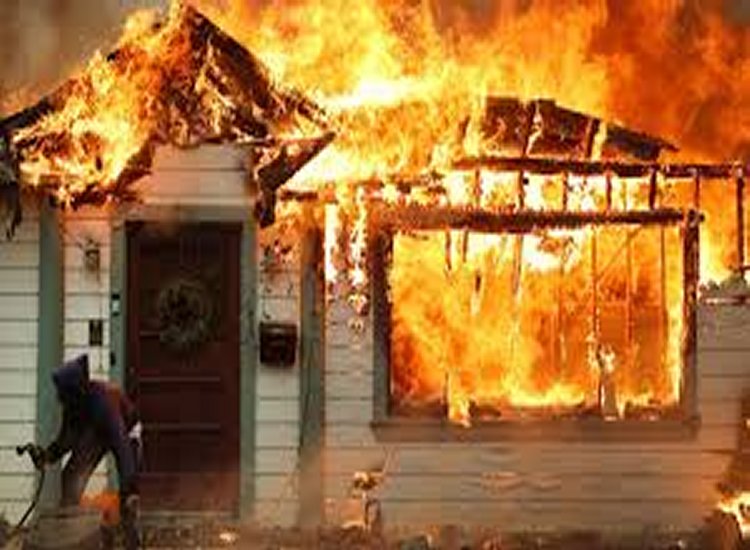
Australian authorities have proclaimed a state of disaster following bushfires that demolished homes and incinerated extensive areas of forest in the country’s southeast, reports RTE.
Temperatures climbed above 40C during a heatwave that enveloped the state of Victoria this week, with strong hot winds fuelling some of the most severe fire conditions since the “Black Summer” bushfires of 2019-2020.
One of the most devastating fires tore through nearly 150,000 hectares close to Longwood, an area covered in native woodlands, reports RTE.
State premier Jacinta Allan announced the state of disaster, granting fire crews urgent authority to enforce evacuations.
“It’s all about one thing: protecting Victorian lives,” she said, reports RTE.
Three individuals reported missing in one of the state’s most hazardous fire zones have been located, Ms Allan confirmed, reports RTE.

Emergency Management Commissioner Tim Wiebusch reported that at least 130 structures had been lost statewide, encompassing houses, sheds, and additional buildings.
“We’ve seen significant livestock, cropping land and vineyards that have also been impacted or destroyed,” he told reporters.
Mr Wiebusch noted that ten significant fires continued to burn even as weather conditions improved, reports RTE.
The most severe fires have primarily affected remote rural regions where towns often have populations of just a few hundred residents.
‘Terrifying’
“There were embers falling everywhere. It was terrifying,” cattle farmer Scott Purcell told national broadcaster ABC.
Another bushfire near the small town of Walwa generated lightning as it produced sufficient heat to create a localised thunderstorm, according to fire officials, reports RTE.
Hundreds of firefighters from various parts of Australia have been deployed to assist, while millions endured the week’s extreme heatwave.
Hundreds of baby bats perished earlier this week amid oppressive temperatures across South Australia, a local wildlife organisation reported.
The Black Summer bushfires devastated Australia’s eastern coastline from late 2019 into early 2020, burning millions of hectares, destroying thousands of homes, and covering cities in toxic smoke, reports RTE.
Australia’s climate has risen by an average of 1.51C since 1910, according to researchers, contributing to more frequent and intense extreme weather events on both land and sea, reports RTE.
Tell us your thoughts in the Facebook post and share this with your friends.
