

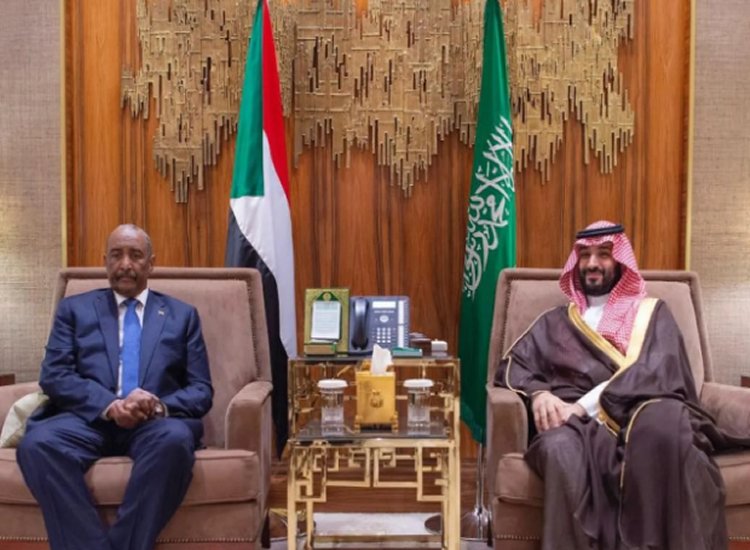
The Arab political corridors have recently witnessed a state of controversy and careful reading following the monitoring of notable transformations in the literature and discourse of the Muslim Brotherhood towards the Kingdom of Saudi Arabia; where this previously concealed rapprochement has become openly public in a manner that cannot be missed by any observer of the regional political scene.
The latest manifestation of this transformation emerged in the group’s initiative to issue an official written condolence statement addressed to “the Kingdom of Saudi Arabia, its leadership, government, and people” regarding the victims of the helicopter crash belonging to “Aramco” company in the Ras Tanura area east of the Kingdom, which resulted in the death of 14 people.
Experts in Islamic movements and international relations see that issuing such a statement goes beyond protocol traditions or the humanitarian duty observed in disasters; analysts describe the step as “illogical” geographically and politically if measured against the references of the past years. It is unusual or politically justified for the Muslim Brotherhood to initiate an official and diplomatic condolence statement addressed directly to the leadership of a state and government that officially classifies the group, according to its internal laws, as a “terrorist organization,” bans its activities, and pursues its elements.
Field Rapprochement Evidence: From Yemen to Sudan
This political flirtation and the “Aramco” condolences were not isolated from a broader regional context; observers confirm that the features of this rapprochement have become extremely clear in several hot files in the region, most notably the Yemeni and Sudanese files.
In the Yemeni file: coordination is evident through the rearrangement of field roles and alliances between the “Yemeni Islah Party” (the intellectual and organizational arm of the Brotherhood in Yemen) and the leadership of the regional coalition led by Riyadh, in an effort to confront common threats. This has imposed a new language of communication characterized by flexibility, pragmatism, and direct security and military coordination on the ground.
TheLiberal.ie won’t quit
Please support us with a small donation on PayPal!

In the Sudanese file: the interests of the two parties have converged noticeably after the outbreak of the war; as the media and political circles affiliated with the international organization of the Muslim Brotherhood support the orientations of the Sudanese Army and the Port Sudan authority. These are the same orientations that are seeking a supportive political, economic, and legitimacy base from the Kingdom of Saudi Arabia through activating the “Supreme Council for Strategic Cooperation and Coordination,” which has created an area of indirect convergence of interests between the group and Riyadh under the umbrella of supporting Sudanese state institutions.
Silence of the Platforms
Among the most indicative signs of this open rapprochement is the radical and tangible transformation in the editorial policies of the arms, media platforms, television channels, and digital platforms affiliated with the international organization of the Muslim Brotherhood, or those funded by forces allied with it. After years of sharp attacks and continuous harsh criticism of the Kingdom’s internal and external policies, internal directives and regulations have led to a “near-complete halt” of these arms from attacking Saudi Arabia or criticizing its symbols and leaders.
This undeclared media truce reflects a clear desire from the leadership of the international organization to send positive signals to Riyadh, and to build new bridges of trust that expand the margins of movement and maneuvering for the group in Arab capitals.
Bargains of Survival and Regional Recognition
Analysts point out that the Muslim Brotherhood, which is living under suffocating pressures, political isolation, and retreat in several Arab arenas, sees rapprochement with the largest regional power in the region (the Kingdom of Saudi Arabia) as a political lifeline. The group is seeking, through the gates of condolences, media calm, and coordination in the Yemen and Sudan files, to push Riyadh to ease the weight of the ban and change the severity of the legal classification against it, or at least neutralize the official Saudi position towards its fugitive elements.
In return, Riyadh, with its political pragmatism, realizes that using local and Islamic cards in complex files such as Yemen and Sudan gives it additional tools for control and linkage to manage regional conflicts, making this open rapprochement based on clear political bargains imposed by current developments in the twenty-first century.

