

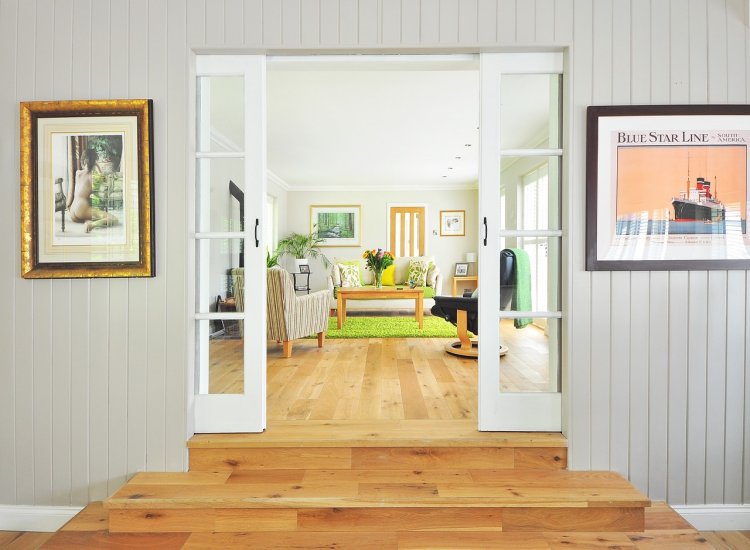
When it comes to choosing flooring for a home in Dublin, homeowners often consider a combination of style, durability, and cost. Dublin, with its rich history and vibrant urban environment, has a diverse mix of both modern and traditional homes. As a result, the types of flooring that are popular reflect this blend of old-world charm and contemporary living.
From sleek, minimalist designs to cozy, rustic finishes, the flooring options available in Dublin are varied. In this read, we’ll explore some of the most popular flooring types in Dublin homes oulined by Premier Flooring Dublin, examining their pros and cons and why they’ve become the go-to choices for homeowners in the capital.
- Hardwood Flooring
Hardwood flooring has long been a favorite for homeowners in Dublin due to its classic beauty, durability, and versatility. Whether it’s oak, maple, or walnut, hardwood offers a timeless look that can complement any home style, from Victorian houses in the suburbs to modern city apartments.
Why It’s Popular in Dublin:
Aesthetic Appeal: The natural grain and warmth of hardwood floors can add sophistication and character to any room.
Durability: Hardwood is known for its long lifespan, especially when properly cared for. It’s resistant to wear and tear, making it ideal for high-traffic areas.
Home Value: Real hardwood floors can increase the resale value of a home, making it an appealing investment.
Cons:
Cost: Hardwood is one of the more expensive flooring options.
Maintenance: It requires regular upkeep, including refinishing every few years to keep it looking its best.
Susceptible to Moisture: Hardwood can warp or swell in damp conditions, so it’s not the best option for bathrooms or basements in Dublin’s wet climate.
- Engineered Wood Flooring
Engineered wood is an excellent alternative to traditional hardwood. It consists of a thin veneer of real wood on top of a layered plywood base. This construction gives it similar aesthetics and feel to hardwood but at a more affordable price point.
Why It’s Popular in Dublin:
Affordable: Engineered wood is generally less expensive than solid hardwood while still offering the same visual appeal.
Moisture Resistance: Engineered wood is less prone to warping in humid conditions, making it suitable for Dublin’s variable climate, especially in kitchens and basements.
Easy Installation: Many engineered wood floors come with a click-lock installation system, making it easier for DIY projects or quick installations in rental properties.
Cons:
Surface Scratching: While more stable than hardwood, the veneer on engineered wood can still be scratched over time.
Not as Long-Lasting as Hardwood: Engineered wood floors have a thinner veneer compared to solid hardwood, so they may not last as long.
- Laminate Flooring
Laminate flooring is a cost-effective alternative that mimics the look of wood, stone, or tile. It is made from high-density fiberboard (HDF) with a photographic layer on top that replicates the appearance of more expensive materials.
Why It’s Popular in Dublin:
Affordability: Laminate is an extremely budget-friendly option, making it a great choice for first-time buyers or those looking to refresh their home without a large investment.
Versatility: Laminate can replicate the look of natural materials like hardwood, stone, or even ceramic tile, so homeowners can achieve a premium look without the price tag.
Durability: Laminate is highly durable, resistant to scratches, and easy to clean, making it ideal for families with young children or pets.
Cons:
Lower Resale Value: Although laminate has an appealing appearance, it won’t increase your home’s value as much as hardwood or engineered wood might.
Not as Warm or Soft: While laminate can look like wood, it doesn’t have the same warmth or tactile appeal.

- Tile Flooring
Tiles—whether ceramic, porcelain, or stone—are commonly used in kitchens, bathrooms, and hallways in Dublin homes. They offer a sleek, modern look and are incredibly easy to maintain.
Why It’s Popular in Dublin:
Water Resistance: Tiles are ideal for areas prone to moisture, like kitchens and bathrooms. This makes them an excellent choice in Dublin, where damp conditions can often lead to issues with other types of flooring.
Variety of Styles: With endless design options, tiles can suit any taste, from traditional ceramic tiles with intricate patterns to large-format contemporary porcelain tiles.
Durability: Tile floors are highly durable and can last for decades when maintained correctly. They’re resistant to stains, scratches, and general wear and tear.
Cons:
Cold Underfoot: Tile floors can feel cold, especially during Dublin’s chilly winters. Many homeowners opt to install underfloor heating to counteract this.
Installation Costs: Professional installation is often required for tile floors, adding to the overall cost of the project.
- Vinyl Flooring
Vinyl flooring has undergone significant improvements in recent years, offering both aesthetic appeal and affordability. It is a synthetic material available in planks, tiles, and sheets, designed to replicate the look of wood, stone, or even concrete.
Why It’s Popular in Dublin:
Cost-Effective: Vinyl is one of the most affordable flooring options, making it especially popular in rental properties or for those on a budget.
Variety: Vinyl can mimic the look of higher-end materials like hardwood, marble, or stone, making it a versatile choice for homeowners looking to stay within budget.
Waterproof: Vinyl flooring is highly resistant to moisture, which is ideal for Dublin’s sometimes rainy weather, particularly in bathrooms, kitchens, and basements.
Comfort: Vinyl is softer and warmer than tile, offering a more comfortable surface to walk on.
Cons:
Lower Durability: While vinyl can last many years, it is more prone to scratches and dents compared to harder materials like tile or wood.
Environmental Impact: Vinyl is not the most eco-friendly option, as it is made from plastic and can release harmful chemicals during manufacturing.
- Carpet Flooring
While hardwood and tile have dominated the flooring scene in Dublin, carpet remains a classic option for many homeowners, particularly in bedrooms, living rooms, and other low-traffic areas.
Why It’s Popular in Dublin:
Warmth and Comfort: Carpet provides a cozy, warm feeling, making it perfect for Dublin’s cooler climate. It’s also soft underfoot, ideal for bedrooms or playrooms.
Sound Insulation: Carpets offer great sound insulation, reducing noise in apartments or homes with multiple levels.
Variety of Styles and Colors: Carpets come in various textures, colors, and designs, offering flexibility in interior design.
Cons:
Maintenance: Carpets require regular cleaning vacuuming and occasional deep cleaning to prevent stains and maintain their appearance.
Allergies: Carpets can trap dust, pet dander, and other allergens, which can be problematic for individuals with allergies or asthma.
- Cork Flooring
Cork flooring is gaining popularity due to its eco-friendly nature and unique aesthetic. It is made from the bark of cork oak trees and is a renewable resource.
Why It’s Popular in Dublin:
Sustainability: Cork is a natural, renewable resource, making it an environmentally friendly choice for homeowners who prioritize sustainability.
Comfortable and Warm: Cork provides a soft, cushiony surface, making it comfortable to stand or walk on for long periods.
Sound Absorption: Its natural properties allow cork to absorb sound, making it ideal for apartments or multi-story homes in Dublin.
Cons:
Prone to Damage: Cork is softer than other flooring materials and can be susceptible to dents and scratches.
Maintenance: Cork floors require sealing to prevent moisture damage and stains.
Conclusion
Ultimately, the best flooring choice will depend on the specific needs and lifestyle of the homeowner, as well as the design goals for their space. Whether you’re renovating a historic Dublin townhouse or setting up a modern apartment in the city center, there’s a flooring option to suit every home and taste.

