

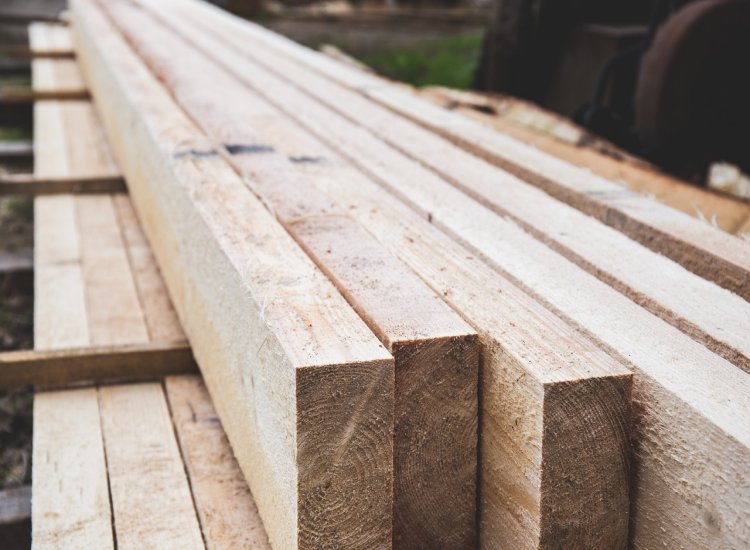
The global urgency to address the climate crisis has made decarbonising our environment essential. One promising sustainable solution is the use of timber as a low-carbon building material. Ireland has seen a significant increase in sustainable timber construction over recent years, driven by a heightened awareness of environmental issues, evolving building regulations, and a strong commitment to reducing carbon emissions.
Sustainable timber construction is causing a shift in the building industry in Ireland according to constructiondublin.ie, providing eco-friendly alternatives that promote renewable resources, energy efficiency, and a greener future. In this article, we’ll look into the factors behind the rise of sustainable timber construction in Ireland, its environmental and economic benefits, and how it fits into Ireland’s architectural landscape.
Why Sustainable Timber?
Sustainable timber is timber sourced from responsibly managed forests where trees are replanted, and biodiversity is preserved. With Ireland’s focus on reducing carbon footprints and meeting ambitious climate targets, sustainable timber has emerged as an ideal building material for modern construction projects. Unlike traditional materials such as concrete and steel, which require substantial energy to produce and result in significant emissions, timber is renewable, has a lower environmental impact, and actively stores carbon throughout its life.
Ireland holds a unique advantage in wood production due to its ideal climate, where conifer trees like spruce and pine reach maturity in just 35 years—a much faster growth rate than in other parts of Europe. These trees serve as effective carbon sinks, absorbing substantial amounts of CO2 from the atmosphere. When harvested, the carbon remains locked within the timber, making it an eco-friendly alternative to carbon-intensive materials such as concrete and steel.
Environmental Concerns and Climate Targets
Ireland has committed to reducing carbon emissions and promoting eco-friendly building practices. Sustainable timber construction plays a key role in this effort by offering a low-carbon alternative to traditional building materials. The carbon sequestration properties of timber mean it stores carbon throughout its lifespan, offsetting emissions and helping to create carbon-neutral or even carbon-negative buildings.
New Timber Technologies
Advancements in timber technology, such as Cross-Laminated Timber (CLT) and Glued Laminated Timber (Glulam), have made it possible to build with timber on a larger scale. CLT panels are strong, durable, and offer significant design flexibility, allowing timber to be used in multi-storey buildings and complex architectural designs. This innovation has spurred more architects and developers to consider timber as a viable option.
Ireland’s Natural Timber Resources
Ireland is rich in softwood forests, particularly those with Sitka spruce, providing a sustainable supply of locally sourced timber. Using home-grown timber has seen the industry reduce the need for imports, while also supporting local forestry, and minimising transportation-related emissions. These factors align with the national goal of building a more sustainable and self-sufficient economy.
Government Support and Building Regulations
Irish building regulations are evolving to encourage sustainable construction practices. Support from government bodies, including grants and incentives for green construction, has made it easier for developers to adopt timber as a primary building material. Initiatives promoting green construction also align with Ireland’s climate action plan, setting a framework for sustainable timber to flourish.
Benefits of Sustainable Timber Construction

- Environmental Impact
Timber is a renewable resource that, when sourced sustainably, has minimal environmental impact. As trees grow, they absorb carbon dioxide, which remains stored in the wood even after it’s harvested. Additionally, sustainably managed forests ensure that for every tree cut down, another is planted, creating a cycle that supports biodiversity and carbon neutrality.
- Energy Efficiency and Thermal Performance
Timber provides excellent thermal insulation compared to traditional materials, making buildings more energy-efficient and reducing heating and cooling costs. The natural thermal performance of timber reduces reliance on artificial heating and cooling systems, which, in turn, helps reduce overall energy consumption and carbon emissions.
- Cost Efficiency and Faster Construction
Timber construction like you see from Glenfort is often faster and more cost-effective than traditional methods. Prefabricated timber panels can be manufactured off-site and assembled quickly, reducing labour costs and construction time. This efficiency is particularly beneficial for Ireland’s housing sector, where there is a high demand for quality housing solutions delivered promptly.
- Aesthetic Appeal and Design Flexibility
Sustainable timber brings a natural warmth and aesthetic that’s appealing to many architects and homeowners. Timber’s design flexibility allows architects to create visually striking buildings, from modern minimalist homes to rustic lodges, contributing to the growing popularity of timber in contemporary Irish architecture.
Common Applications of Sustainable Timber in Irish Construction
- Residential Homes
Sustainable timber is widely used in residential construction, with timber-frame houses becoming increasingly popular. These homes offer better insulation, durability, and a lower carbon footprint compared to traditional builds. In addition, timber homes can be built quickly, making them an attractive option for those seeking sustainable, cost-effective housing.
- Commercial and Office Buildings
Timber is now being used for commercial and office spaces, where it provides an eco-friendly alternative to steel and concrete. Modern timber technologies like CLT have made it possible to construct multi-storey buildings that meet rigorous safety and structural standards. Timber’s natural aesthetic appeal also creates inviting workspaces, enhancing employee well-being.
- Public and Educational Buildings
Schools, libraries, and community centres are also adopting sustainable timber construction. These public buildings benefit from timber’s natural insulation, helping to create comfortable environments with reduced heating costs. Using sustainable materials in educational facilities also promotes environmental responsibility and sustainability awareness within the community.
- Extensions and Renovations
Timber’s lightweight and adaptable nature makes it ideal for extensions and renovations. Whether adding a room or remodelling a space, timber allows for quick, seamless construction that integrates well with existing structures. Many Irish homeowners are choosing timber for extensions due to its sustainability and minimal impact on the surrounding environment.
Sustainable timber construction is transforming Ireland’s construction industry, offering an eco-friendly alternative that combines performance, aesthetics, and environmental responsibility. As Ireland continues to embrace green building practices, sustainable timber offers a solution that aligns with both current climate targets and future housing demands.
Whether for residential, commercial, or public projects, timber construction supports Ireland’s sustainable development goals, offering an effective way to lower environmental impact while creating beautiful, energy-efficient buildings. Ireland is gradually becoming a leader in sustainable timber construction across Europe, with its strong foundation in sustainable forestry and innovative timber technology.

