

A series of high-profile weight-loss and diabetes medications could help alter the course of the global obesity crisis, which currently affects more than one billion people, according to the World Health Organization.
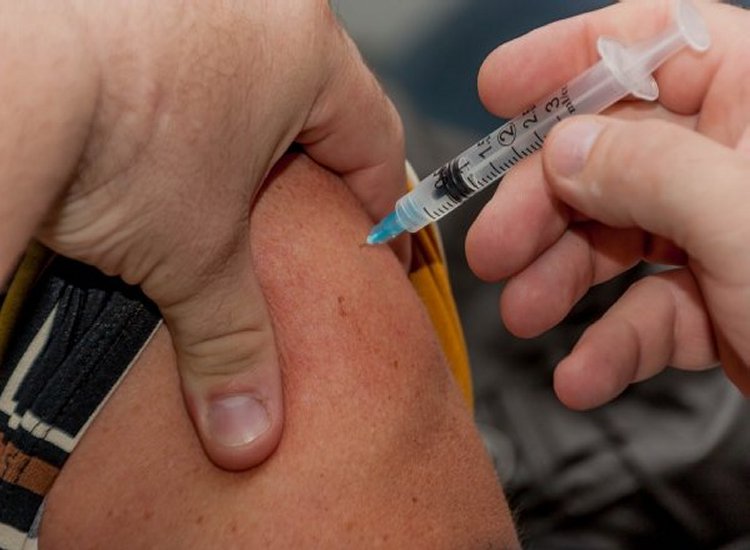
A new class of appetite-reducing treatments known as GLP-1 agonists – including major brands Ozempic and Mounjaro – has surged in popularity in recent years, reports RTE.
Today, the UN health agency released its first recommendations outlining how these medicines could be used as an important tool for treating obesity in adults as a long-term, recurring condition.
More than 3.7 million people died in 2022 from illnesses linked to being overweight or obese, WHO data shows – a figure higher than deaths from malaria, tuberculosis and HIV combined, reports RTE.
The organisation predicts that the number of people living with obesity will double by 2030 unless strong action is taken to curb the rise.
“Obesity is a major global health challenge,” WHO chief Tedros Adhanom Ghebreyesus said in a statement, reports RTE.
The new guidance, he said “recognises that obesity is a chronic disease that can be treated with comprehensive and lifelong care”, reports RTE.
“While medication alone won’t solve this global health crisis, GLP-1 therapies can help millions overcome obesity and reduce its associated harms,” reports RTE.
The guidelines recommend that GLP-1 treatments be offered to adults, excluding pregnant women, “for the long-term treatment of obesity”, reports RTE.
WHO noted that although the drug’s effectiveness in treating obesity is “evident”, more long-term data on safety and outcomes is still required,
The agency also emphasised that medication alone will not reverse the obesity trend, describing the condition as complex, chronic and a key driver of non-communicable diseases such as heart disease, type-2 diabetes and certain cancers, reports RTE.
TheLiberal.ie won’t quit
Please support us with a small donation on PayPal!

The guidelines also propose combining these medications with “intensive behavioural interventions”, including healthier eating and more exercise, as evidence suggests this may improve outcomes.
The WHO further stressed the need to “create healthier environments through robust population-level policies to promote health and prevent obesity”, reports RTE.
It also encouraged targeted screening of high-risk groups, as well as ensuring access to lifelong, personalised care.
“You can’t see these drugs as a magic bullet,” Jeremy Farrar, WHO Assistant Director-General for health promotion, disease prevention and care, said, reports RTE.
“But they’re clearly going to become a very important part of an integrated approach to obesity,” he said, reports RTE.
If countries find the right balance, “the impact on bringing down levels of the people who are obese, and the impact particularly on diabetes … on cardiovascular and others, is going to be profound”, reports RTE.
Francesca Celletti, a senior WHO adviser on obesity, shared the view.
“There is a possibility that we can bend this epidemiological trajectory of obesity,” she said, reports RTE.
Beyond the health consequences, WHO estimates that the global economic cost of obesity could reach $3 trillion annually by the end of the decade.
“If we don’t somehow shift the curve, the pressure on health systems is actually going to be untenable,” Mr Farrar warned, reports RTE.
The extremely high cost of GLP-1 medications has sparked concerns that poorer nations may not be able to access them, even though they could save the most lives.
Patients with diabetes, the group for whom these drugs were originally developed, have also faced shortages, reports RTE.
In September, WHO added GLP-1 treatments to its essential medicines list to improve access, urging the development of inexpensive generic versions for people in low-income countries.
Mr Farrar stressed the importance of ensuring that advances in treating non-communicable diseases like obesity are shared equitably.
If these treatments are not made “more readily available in middle- and low-income countries”, he warned, “we are going to increase health inequity over the next generation”, reports RTE.
Tell us your thoughts in the Facebook post and share this with your friends.

