

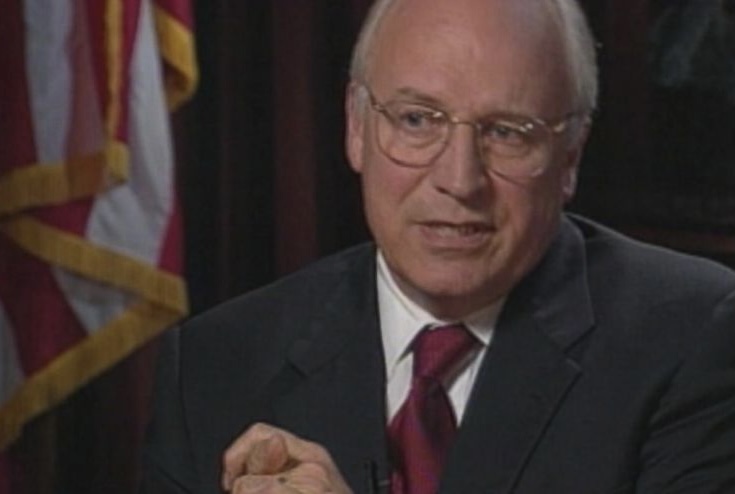
Richard B. Cheney, the influential and polarizing 46th vice president of the United States who shaped the nation’s response to the September 11 attacks, died Monday night at his home in Virginia. He was 84. A family statement confirmed the passing, attributing it to complications from longstanding heart issues that had plagued him for decades.
Cheney, who served under President George W. Bush from 2001 to 2009, was often dubbed the most powerful vice president in American history. As a key architect of the “war on terror,” he championed the 2003 invasion of Iraq, citing faulty intelligence about weapons of mass destruction—a decision that ignited fierce debate and defined his legacy. His tenure also saw the expansion of executive powers, including enhanced surveillance and the controversial use of enhanced interrogation techniques at Guantanamo Bay.

Born in Lincoln, Nebraska, in 1941, Cheney’s career spanned decades: Wyoming congressman, White House chief of staff under Gerald Ford, and defense secretary under George H.W. Bush. After leaving office, he led Halliburton as CEO, amassing wealth amid scrutiny over defense contracts.
In later years, Cheney clashed with the Republican Party he helped mold, vocally opposing Donald Trump as a “threat to the republic.” He and daughter Liz Cheney endorsed Kamala Harris in 2024, a rare bipartisan stand that further isolated him from MAGA loyalists.
Tributes poured in from across the aisle. President Biden called him “a patriot who served with unmatched conviction,” while critics decried his role in endless wars. Cheney is survived by his wife Lynne, children, and grandchildren. Funeral arrangements remain private.

