

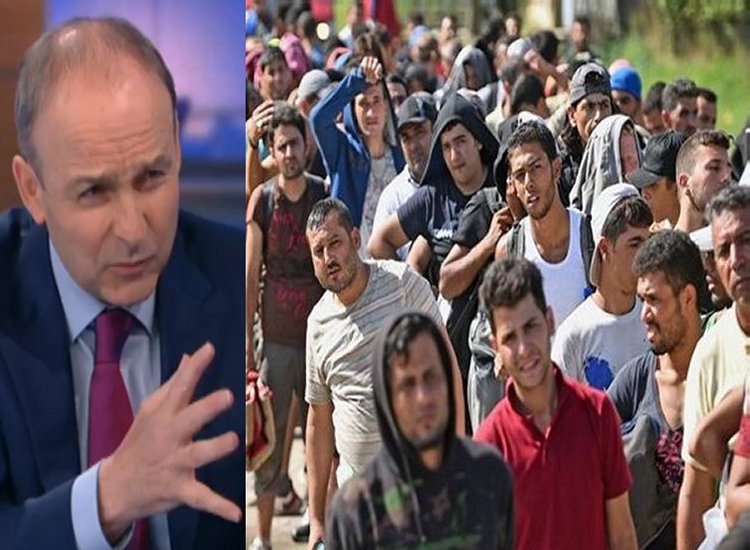
The asylum application system in Ireland nearly reached breaking point last year, as top officials raised alarms about mounting backlogs that were becoming “unmanageable”, reports RTE.
During senior-level discussions, it was highlighted that the surge in people seeking International Protection was making the process increasingly difficult to handle.
They noted that the lengthening delays were contributing to rising expenses and longer “periods for which there are entitlements to accommodation and other supports”.
These warnings led to a significant increase in both funding and staffing, after officials cautioned that the system was on the edge of collapsing, reports RTE.
In an email shared last summer between the Department of Justice and the Department of Public Expenditure, officials wrote: “Without further investment, backlogs will reach unmanageable levels in less than a year.
“In practice, we are still working to recruit staff and appoint panel members … but as the year progresses, we will need to move beyond these if we are to meet the scale of the processing challenge,” reports RTE.
Initially, the Department of Justice declined to publish records about increased staffing and financial support for handling International Protection claims.
However, after an appeal under Freedom of Information legislation, documents were released showing a 385% rise in anticipated applications between 2022 and 2023, reports RTE.
A business case within the documents stated that the volume of claims was “outrunning processing capacity,” leading to a significant backlog of cases.
It emphasised that funding was needed “at every stage” of the international protection procedure, reports RTE.
The business case said: “Most applicants are entitled to reception conditions, including accommodation, access to healthcare and education, and a contribution to weekly expenses while their cases are being processed.”
It also noted that deportations had largely stalled during and just after the COVID-19 crisis, which had made Ireland a more appealing destination for asylum seekers, reports RTE.
TheLiberal.ie won’t quit
Please support us with a small donation on PayPal!

The paper stressed the importance of a “credible and effective” immigration system, stating that forced returns remained an “essential element” of the process.
However, it also flagged that a rise in rejected applications could result in a surge in related legal challenges, r r
The report further pointed out what it described as the “downstream impacts” of more asylum applications being lodged.
It said that individuals granted refugee status or subsidiary protection had the right to apply for family reunification.
The document said: “[Circa] 35 to 40% do so and on average seek permissions for 2.5 family members to be allowed join them,” reports RTE.
In the same business case, officials urged major resource increases across all areas, including case processing, appeals hearings, and issuing travel documents.
However, the actual number of additional staff requested has been removed from the published documents, reports RTE.
In another internal presentation, officials identified one of the most serious “bottlenecks” as the need for in-person interviews with applicants.
A briefing note stated: “Two phases of building works in Timberlay House [Mount Street] have increased interview rooms from 15 to 23 and most recently to 39 rooms,” reports RTE.
It also indicated that remote interviews were being planned to further streamline the process, reports RTE.
A different presentation revealed efforts to reduce delays by focusing on applications deemed “inadmissible”.
This mainly applied to cases from individuals originating from countries officially listed as safe.
Officials were also said to be working on more accurate methods of age assessment for certain “unaccompanied minors,” referring to cases where individuals claim to be younger than they actually are, reports RTE.
Responding to the revelations, a spokesperson for the Department of Justice said their main focus is to process International Protection applications “as soon as possible.”
He said: “This gives status to those who are entitled to international protection to rebuild their lives here, while also ensuring faster decision making in respect of those who do not meet the criteria,” reports RTE.
The spokesperson confirmed that an additional €25 million had been allocated in last year’s budget to enhance the processing of asylum applications.
He added: “All aspects of the international protection modernisation programme will continue to be kept under review and improved on a continuous ongoing basis,” reports RTE.
Tell us your thoughts in the Facebook post and share this with your friends.

